
Soil instability continues to challenge construction projects across India, particularly in regions dominated by clayey and expansive soils such as black cotton soil. These conditions often result in cracking, settlement, and reduced structural life, creating serious concerns for engineers, contractors, and infrastructure developers.
As infrastructure development accelerates, the need for reliable ground improvement solutions has become more critical than ever. In this context, material quality plays a decisive role. Synergy Chemical Industries, recognised among hydrated lime manufacturers in India, supports construction projects with consistent, high-purity lime that improves soil performance and long-term durability.
Instead of relying on costly soil replacement, many projects now adopt soil stabilisation using hydrated lime as a practical and efficient solution. This method enhances in-situ soil properties, reduces construction costs, and ensures stronger, longer-lasting foundations across a wide range of applications.
What is hydrated lime, and what is its role in soil stabilisation?
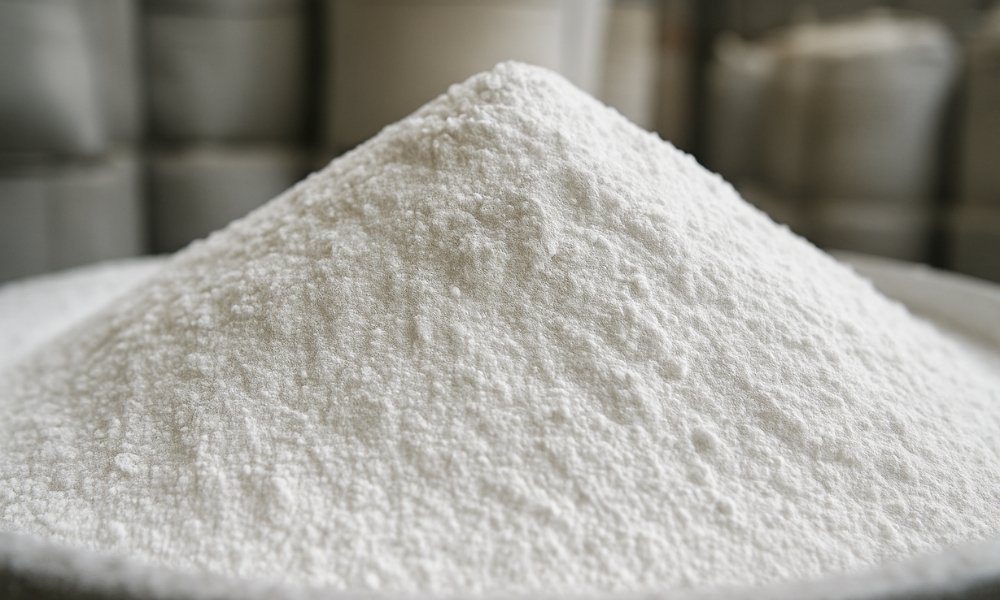
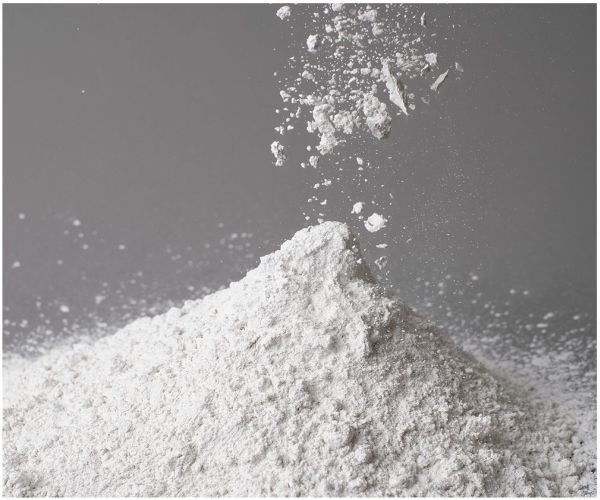
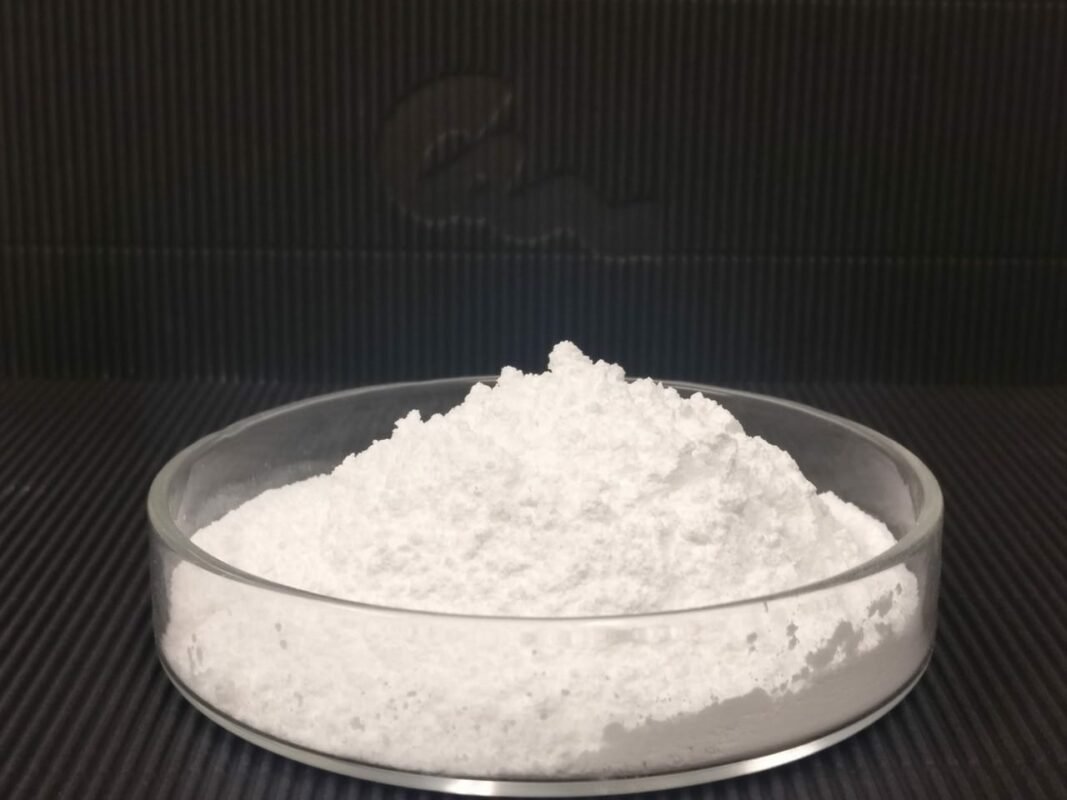
Hydrated lime, or calcium hydroxide (Ca(OH)₂), is produced by adding water to quicklime. In construction, it is widely recognised for its ability to improve problematic soils, particularly those with high clay content.
When added to soil, hydrated lime alters its physical and chemical behaviour. It reduces plasticity, improves workability, and increases strength. These properties make it an essential material in modern soil stabilisation techniques, especially for road construction and foundation preparation.
Across India, hydrated lime uses in construction have expanded significantly due to its reliability and cost efficiency in dealing with difficult soil conditions.
Understanding the Science Behind Lime Stabilisation
The effectiveness of the lime soil stabilisation process lies in a series of chemical reactions that occur when lime interacts with soil.
Initially, hydrated lime causes an immediate reaction where calcium ions replace weaker ions in clay particles. This leads to flocculation, where soil particles bind together and lose their plastic nature. As a result, the soil becomes easier to handle and compact.
Over time, lime reacts with silica and alumina present in the soil to form cementitious compounds. These compounds, known as calcium silicate hydrates and calcium aluminate hydrates, gradually increase the strength and stiffness of the soil.
This long-term reaction continues for weeks or even months, resulting in a stable and durable base suitable for construction loads.
Step-by-Step Lime Soil Stabilisation Process
A successful application of soil stabilisation using hydrated lime depends on proper execution at every stage.
Site Evaluation and Soil Testing
Engineers begin by analysing soil properties through laboratory testing. Parameters such as plasticity index, moisture content, and grain size distribution help determine whether lime stabilisation is suitable.
This step is particularly important in India, where soils like black cotton exhibit high swelling and shrinkage behaviour.
Determining the Right Lime Content
The required lime content typically falls between 2% and 8% of the soil’s dry weight. Laboratory tests help identify the optimum dosage. Using the correct quantity is essential, as insufficient lime reduces effectiveness while excessive lime increases cost without proportional benefits.
Site Preparation and Lime Application
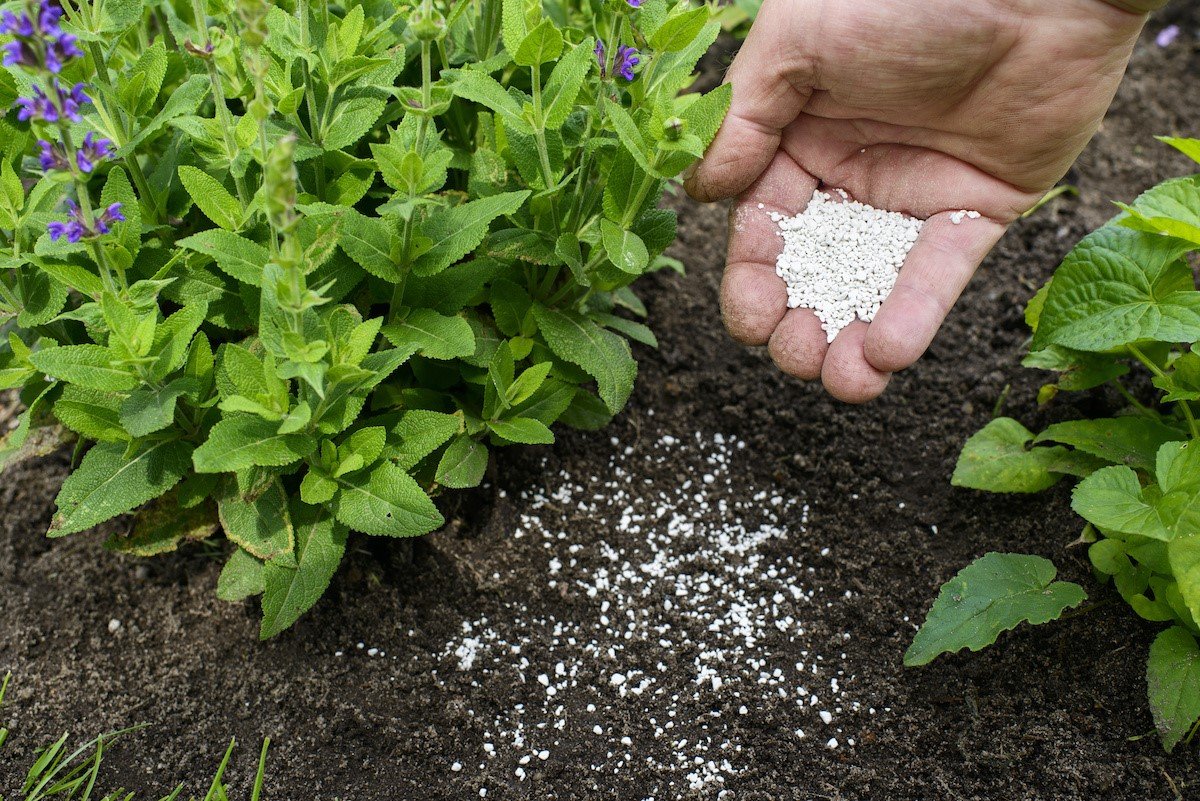
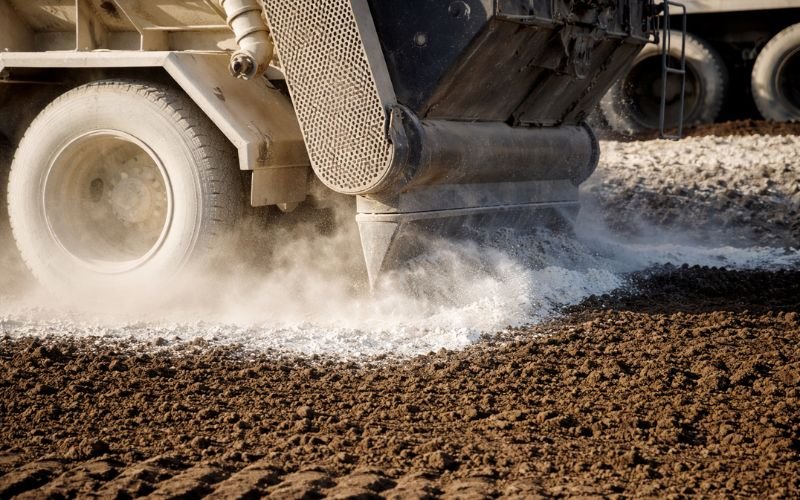
The site is cleared and levelled before spreading hydrated lime. Uniform distribution is critical, and mechanical spreaders ensure consistency across large areas.
Mixing and Moisture Control
The soil and lime are mixed thoroughly using specialised equipment such as rotavators or reclaimers. Mixing depth generally ranges from 150 mm to 300 mm.
Moisture is then adjusted to reach optimum levels. Proper moisture conditioning ensures effective chemical reactions and better compaction.
Compaction and Curing
The mixed layer is compacted using rollers to achieve maximum density. After compaction, the soil is allowed to cure for several days. During this phase, the chemical reactions strengthen the soil structure.
Proper curing is essential for achieving long-term durability.
Benefits of Lime Stabilised Soil
The growing adoption of lime stabilisation in India comes from its combined engineering, economic, and environmental advantages.
From an engineering perspective, lime significantly improves load-bearing capacity and reduces plasticity. It also enhances resistance to moisture variations, which is crucial in regions affected by seasonal changes.
In terms of cost, lime stabilisation reduces the need for soil replacement and lowers transportation expenses. Projects benefit from faster execution and reduced material usage.
Environmentally, the method supports sustainable construction by reusing existing soil and lowering overall carbon impact compared to traditional alternatives like cement.
Applications Across Indian Infrastructure Projects
The use of soil stabilisation using hydrated lime is widespread across multiple sectors.
In road and highway construction, lime stabilisation strengthens subgrades and extends pavement life. It is commonly used in national highways, state roads, and rural infrastructure projects under government schemes.
For embankments, lime improves stability and prevents settlement issues. In industrial and commercial construction, it enhances foundation performance by increasing soil bearing capacity.
In Rajasthan, where expansive and dry soils are common, lime stabilisation plays a crucial role in infrastructure development, including industrial corridors and road expansion projects.
Comparing Lime with Other Stabilisation Methods
Different stabilisation methods serve different soil conditions, but lime stands out in clay-rich environments.
Cement stabilisation works well for granular soils but often results in a rigid structure that may crack under movement. Fly ash offers a cost-effective alternative but lacks consistency in performance.
Lime, on the other hand, provides flexibility and long-term strength, making it particularly suitable for Indian soil conditions where expansion and shrinkage are common challenges.
Best Practices for Effective Results
To achieve reliable outcomes, contractors must follow certain key practices:
- Conduct proper soil testing before application
- Use high-quality, consistent hydrated lime
- Maintain correct moisture levels during mixing
Attention to these factors ensures that the stabilised soil performs as expected over time.
Common Mistakes That Impact Performance
Several on-site errors can reduce the effectiveness of lime stabilisation. Incorrect lime dosage, inadequate mixing, and poor moisture control are among the most common issues. Skipping the curing stage or using low-quality lime can also compromise long-term performance.
Avoiding these mistakes is essential for ensuring structural reliability and durability.
Why the Quality of Hydrated Lime Matters
The success of any stabilisation project depends heavily on the quality of materials used. Hydrated lime must have consistent chemical composition and high purity to deliver reliable results.
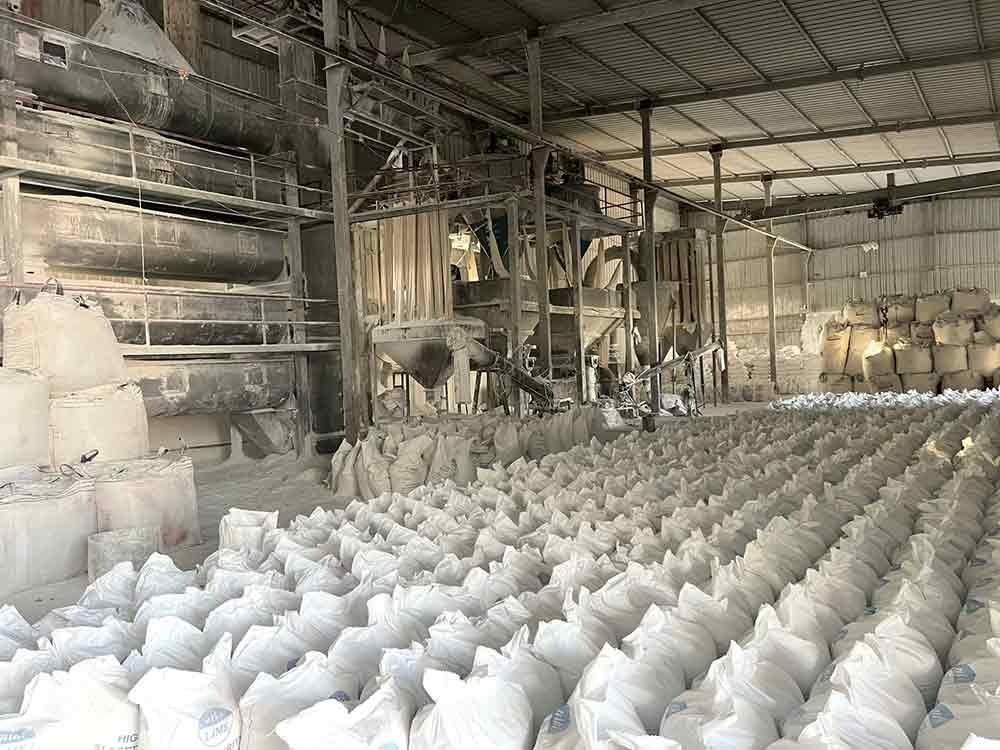
At Synergy Chemical Industries, we supply construction-grade hydrated lime used in infrastructure projects across Rajasthan and other regions. Our material meets industry requirements and supports large-scale applications with consistent performance.
Choosing a trusted hydrated lime manufacturer in Rajasthan ensures not only material quality but also dependable supply and technical support for your projects.
Strengthening Infrastructure with the Right Soil Stabilisation Approach
As infrastructure projects expand across India, addressing soil challenges efficiently has become more important than ever. Soil stabilisation using hydrated lime offers a proven method to improve ground conditions, enhance structural performance, and reduce overall project costs.
From highways and embankments to industrial foundations, lime stabilisation continues to deliver reliable results, especially in regions with problematic soils like Rajasthan.
For contractors, engineers, and procurement teams, selecting the right material and supplier plays a crucial role in project success.
If you are planning a project that requires dependable soil stabilisation, Synergy Chemical Industries offers high-quality hydrated lime along with consistent bulk supply and technical support tailored to your needs.
Get in Touch for Bulk Supply & Technical Support
If you are planning a construction project and need high-quality hydrated lime, our team at Synergy Chemical Industries is ready to assist.
- Bulk supply across India
- Consistent quality
- Technical guidance for application
Contact us today to discuss your requirements and ensure your project stands on solid ground.
Frequently Asked Questions
Q1. What is lime stabilisation in soil?
Answer: Lime stabilisation is the process of adding hydrated lime to soil to improve its strength, reduce plasticity, and enhance durability, especially in clay-rich soils.
Q2. How much lime is required for soil stabilisation?
Answer: The required amount typically ranges from 2% to 8% of the soil’s dry weight, depending on soil characteristics and laboratory results.
Q3. Is lime better than cement for soil stabilisation?
Answer: Lime performs better in clayey soils, while cement is more suitable for granular soils. Lime offers greater flexibility and long-term stability in expansive conditions.
Q4. Can hydrated lime stabilise black cotton soil?
Answer: Yes, hydrated lime is highly effective in reducing the swelling and shrinkage behaviour of black cotton soil.
Q5. How long does lime stabilised soil last?
Answer: With proper application and curing, lime stabilised soil can maintain its strength and performance for decades.
Q6. What are the main hydrated lime uses in construction?
Answer: Hydrated lime is used in soil stabilisation, mortar, plaster, water treatment, and various infrastructure applications.