


Table of Content
- Introduction: Tackling Acidity in Industrial Effluents
- Why Hydrated Lime Stands Out as a Neutralising Agent
- How Hydrated Lime Works in Acidic Wastewater
- Process of Using Hydrated Lime in Effluent Treatment
- Hydrated Lime vs Caustic Soda for pH Control
- Benefits of Hydrated Lime in Industrial Wastewater Treatment
- Industries That Commonly Use Hydrated Lime
- Safe Handling and Dosing Considerations
- Environmental Impact and Sludge Management
- Why Choose Synergy Chemical Industries
- Frequently Asked Questions
Hydrated lime neutralises acidic effluents by releasing hydroxide ions that react with hydrogen ions in the wastewater. This reduces acidity, raises pH levels, and helps in the precipitation of metals and suspended solids. It is widely used in industrial effluent treatment due to its stability, cost advantage, and suitability for large treatment systems.
Introduction: Tackling Acidity in Industrial Effluents
Industrial processes across sectors such as chemicals, pharmaceuticals, and textiles often generate wastewater with high acidity levels. Discharging such acidic effluents into the environment without treatment can damage local ecosystems and violate regulatory standards. For industries looking to bring pH levels under control in a reliable and cost-effective way, neutralisation is essential. One solution that continues to gain traction is the use of hydrated lime.
Hydrated lime is a white powder chemically known as calcium hydroxide. It is known for its strong alkalinity and ability to react efficiently with acidic compounds in wastewater. Whether for new effluent treatment plants or upgrading older systems, hydrated lime offers a dependable approach for pH correction and pollutant reduction.
Why Hydrated Lime Stands Out as a Neutralising Agent
Hydrated lime is often chosen over other neutralising agents for its availability, effectiveness, and relatively safe handling properties. As a calcium-based alkali, it reacts with the free hydrogen ions in acidic water to raise the pH towards neutrality.
In contrast to more aggressive chemicals, hydrated lime provides gradual and controllable pH correction. This reduces the risk of overshooting the desired pH range, a common issue in pH-sensitive industrial processes. It is widely used by industries across India, including those served by Synergy Chemical Industries, due to its adaptability in both batch and continuous treatment systems.
How Hydrated Lime Works in Acidic Wastewater

The neutralisation reaction begins when hydrated lime is introduced into acidic effluent. The calcium hydroxide dissolves partially in water, releasing hydroxide ions (OH⁻). These hydroxide ions then bond with hydrogen ions (H⁺) present in the acid, forming water. This reaction reduces the concentration of free hydrogen ions, which is directly responsible for lowering the acidity.
Hydrated lime also promotes the precipitation of certain heavy metals, forming insoluble compounds that can be filtered or settled as sludge. This not only helps in pH correction but also in reducing other pollutants, improving the overall quality of the discharged water.
Process of Using Hydrated Lime in Effluent Treatment
Using hydrated lime in effluent treatment involves a few standard steps that are adaptable depending on the scale and nature of the industry:
- Preparation of Lime Slurry: Hydrated lime is mixed with water to form a slurry which is easier to handle and dose.
- Dosing: The slurry is then added to the acidic effluent in a controlled manner.
- pH Monitoring: Continuous or periodic pH measurement ensures the target pH is achieved.
- Precipitation and Sludge Formation: As neutralisation occurs, metals and other solids precipitate out.
- Sludge Disposal: The sludge is removed using settling tanks or filtration systems before the treated water is discharged.
This process supports compliance with pollution control standards while also ensuring consistent water quality.
Hydrated Lime vs Caustic Soda for pH Control
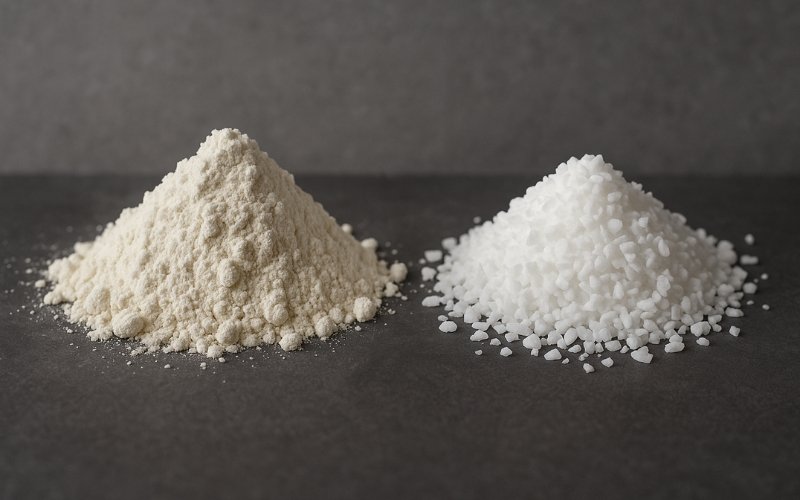
When comparing hydrated lime to caustic soda (sodium hydroxide), several distinctions influence which is more suitable for industrial use.
| Factor | Hydrated Lime | Caustic Soda |
| Cost | More economical | More expensive |
| Handling | Requires protective gear, but less corrosive | Highly corrosive and requires strict safety protocols |
| pH Control | Gradual adjustment, easier to manage | Quick spike in pH, harder to control |
| Sludge Generation | Produces more sludge | Produces less sludge |
| Availability | Readily available from local suppliers | Often more costly to source at scale |
While caustic soda may be useful in smaller systems or where rapid pH correction is essential, hydrated lime offers more stability and cost-efficiency for larger effluent treatment operations.
Benefits of Hydrated Lime in Industrial Wastewater Treatment
Hydrated lime offers a combination of economic and technical advantages:
- Cost-Effectiveness: Lower material cost and efficient performance reduce the overall cost of treatment.
- Widespread Availability: Being locally manufactured and supplied, especially by Synergy Chemicals India, hydrated lime is easy to source and replenish.
- Metal Precipitation: Beyond pH correction, it assists in removing heavy metals and phosphates.
- Regulatory Compliance: Supports industries in meeting regulatory standards for pH and pollutant levels.
- Adaptability: Can be used across a range of industries and effluent compositions.
These benefits make hydrated lime a go-to solution for plant engineers, ETP operators, and procurement teams managing industrial water treatment.
Industries That Commonly Use Hydrated Lime
Hydrated lime is used across a broad spectrum of industries due to its versatility and performance in neutralising acidic effluents.
- Textile Processing: Treating dye and chemical-laden wastewater.
- Paper and Pulp: Managing effluent with high organic and acidic content.
- Chemical Manufacturing: Neutralising waste from acidic chemical reactions.
- Pharmaceuticals: pH correction in wastewater from synthesis and formulation.
- Food Processing and Beverages: Managing acidic rinse water and process waste.
In all these sectors, the role of hydrated lime extends beyond neutralisation, supporting broader wastewater treatment and discharge strategies.
Safe Handling and Dosing Considerations
While hydrated lime is less aggressive than some alternatives, it still requires proper handling:
- Personal Protective Equipment (PPE): Gloves, goggles, and dust masks should be used during handling and mixing.
- Storage: Lime should be stored in a dry, well-ventilated area to prevent moisture absorption and clumping.
- Dosing Systems: Automated dosing systems help in maintaining consistent application and avoiding human error.
Following best practices ensures both operator safety and the effectiveness of the treatment process.
Environmental Impact and Sludge Management
One of the by-products of lime-based treatment is the generation of sludge. However, this sludge can often be dewatered and disposed of in compliance with environmental regulations.
The sludge itself may contain precipitated metals, but since these are in a stable, insoluble form, the environmental risk is reduced. Additionally, lime treatment generally avoids the formation of harmful by-products, making it a preferred option in sustainable industrial wastewater management.
Why Choose Synergy Chemical Industries
Synergy Chemical Industries is one of the trusted names among hydrated lime suppliers in India. With a commitment to quality and consistency, the company offers high-grade lime products suitable for industrial effluent treatment plants.
With years of experience in serving diverse industries, Synergy Chemicals India ensures prompt delivery, technical support, and a product that meets the needs of both standard and complex treatment systems.
For plants seeking to improve compliance, reduce costs, and streamline wastewater operations, Synergy’s range of lime products provides a practical and scalable solution.
Frequently Asked Questions
Q1. What is hydrated lime and how is it used in effluent treatment?
Answer: Hydrated lime, or calcium hydroxide, is an alkaline compound used to neutralise acidic wastewater in effluent treatment plants. It raises the pH and also aids in removing heavy metals and solids.
Q2. How does hydrated lime neutralise acidic effluents?
Answer: Hydrated lime releases hydroxide ions in water, which bond with hydrogen ions in the acidic effluent. This chemical reaction forms water, reducing acidity and raising pH levels.
Q3. Why is hydrated lime preferred over caustic soda for pH control?
Answer: Hydrated lime is more economical, safer to handle, and provides a more controlled pH adjustment. Caustic soda acts faster but is more corrosive and expensive.
Q4. Is hydrated lime safe for treating industrial wastewater?
Answer: Yes, when handled correctly using standard PPE and safety measures. It poses fewer handling risks compared to stronger alkalis and is widely used across industries.
Q5. Which industries commonly use hydrated lime for effluent treatment?
Answer: Industries such as textiles, paper, pharmaceuticals, and chemicals use hydrated lime to treat acidic wastewater and support regulatory compliance.
Q6. How much hydrated lime is needed to treat wastewater?
Answer: The exact amount depends on the volume and acidity of the wastewater. Lime dosing is typically calculated based on pH targets and tested through pilot treatment setups.
Q7. Where can I buy hydrated lime for industrial effluent treatment in India?
Answer: Synergy Chemical Industries offers high-quality hydrated lime products for ETPs across sectors. You can explore their solutions and request specifications from their website.