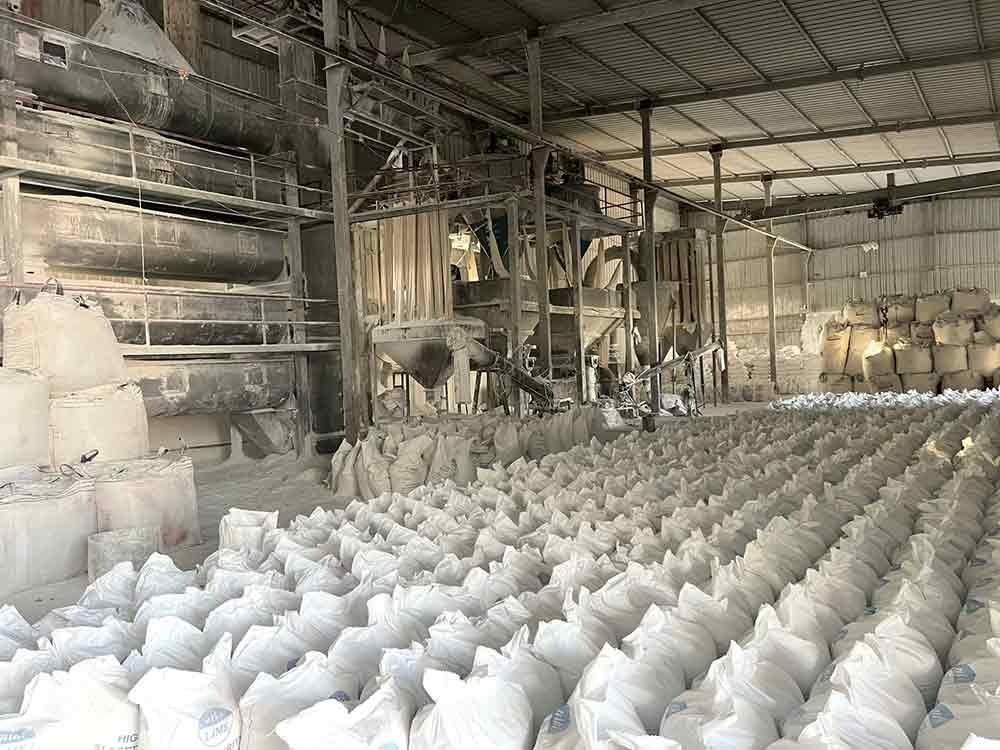


The calcination process of limestone is a high-temperature chemical process used to produce quicklime, an essential material in industries such as steel, construction, and water treatment. By heating limestone under controlled conditions, manufacturers convert calcium carbonate into calcium oxide, releasing carbon dioxide in the process.
Synergy Chemical Industries, a trusted quicklime manufacturer in Rajasthan, follows a carefully controlled calcination process to ensure consistent quality, purity, and performance across industrial applications.
What is the calcination process of limestone?
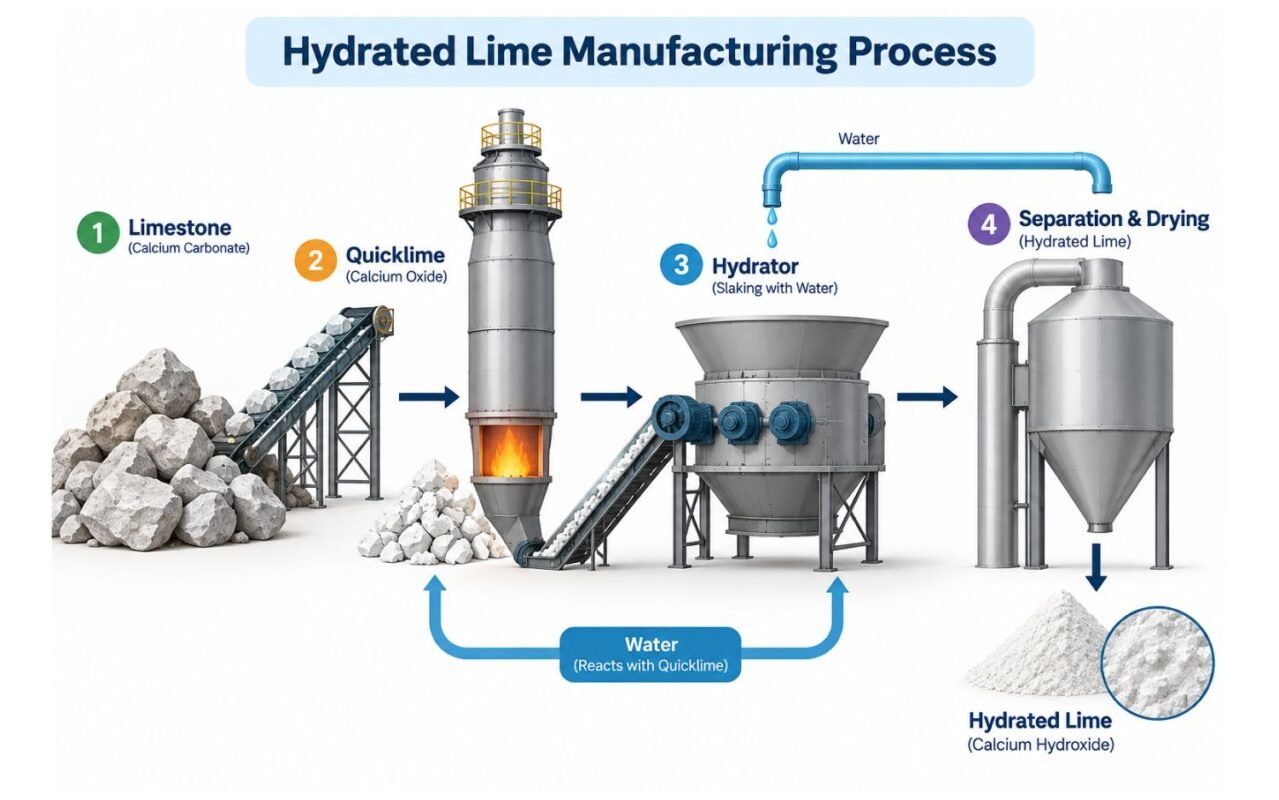
The calcination process of limestone is a thermal decomposition process in which calcium carbonate (CaCO₃) is heated at temperatures between 900°C and 1100°C to produce calcium oxide (quicklime) and carbon dioxide (CO₂). This process forms the foundation of quicklime manufacturing.
Understanding the Chemistry Behind Calcination
At its core, calcination is a chemical reaction driven by heat. When limestone reaches the required temperature range, it breaks down into two components:
- Calcium oxide (CaO), commonly known as quicklime
- Carbon dioxide (CO₂), which is released as gas
This reaction typically reduces the weight of limestone by around 40–45% due to the release of carbon dioxide. Proper temperature control ensures complete conversion and prevents quality loss.
Step-by-Step Process of Quicklime Manufacturing
The production of quicklime involves a sequence of controlled stages. Each step plays a critical role in determining the final product’s quality.
1. Selection of High-Quality Limestone
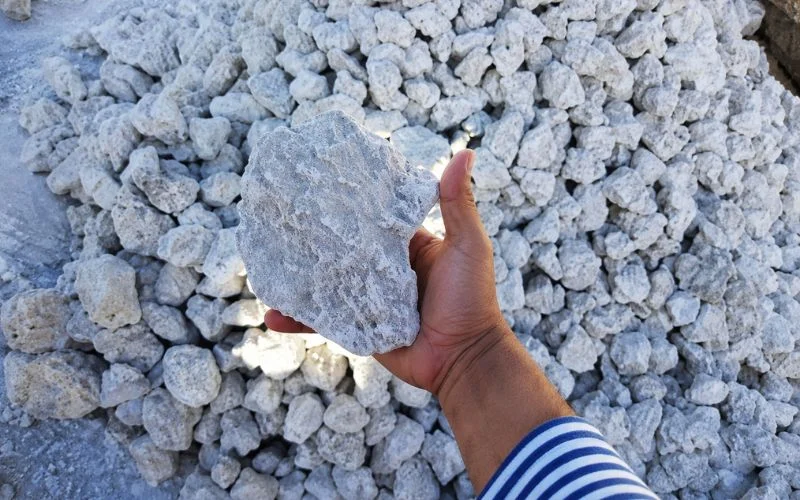
Manufacturers begin by selecting limestone with high calcium carbonate content and minimal impurities. The purity of the raw material directly impacts the efficiency of the calcination process and the reactivity of the final product.
2. Crushing and Sizing
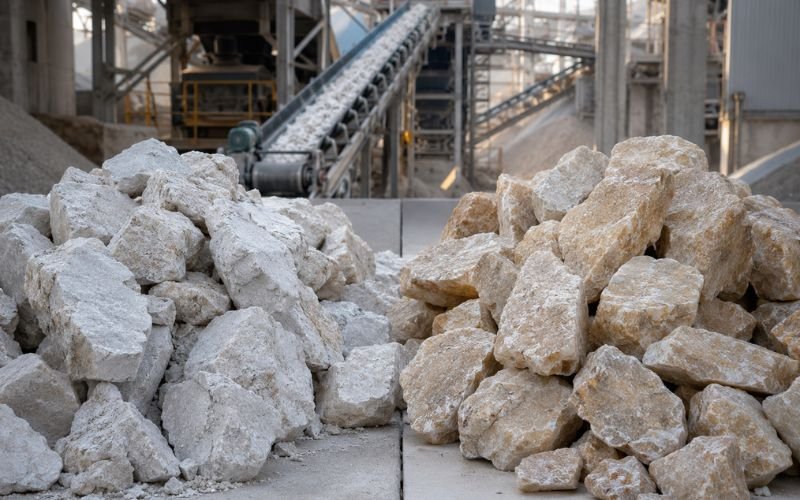
The limestone is crushed into uniform sizes to allow even heat distribution. Consistent particle size ensures that all material undergoes proper calcination without leaving unreacted cores.
3. Controlled Feeding into the Kiln
The sized limestone is fed into a kiln at a regulated rate. Stable feeding helps maintain consistent temperature conditions, which are essential for uniform processing.
4. Calcination (Thermal Decomposition Stage)
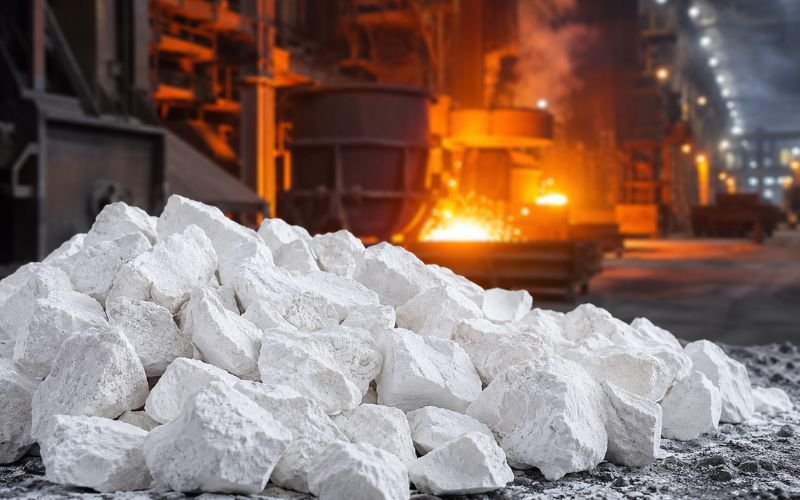
Inside the kiln, temperatures rise between 900°C and 1100°C. At this stage, calcium carbonate decomposes into calcium oxide. The release of carbon dioxide marks the completion of the transformation into quicklime.
5. Cooling Process
After calcination, the quicklime is cooled in a controlled environment. This step prevents unwanted reactions with moisture and preserves the material’s structural integrity.
6. Screening and Grading
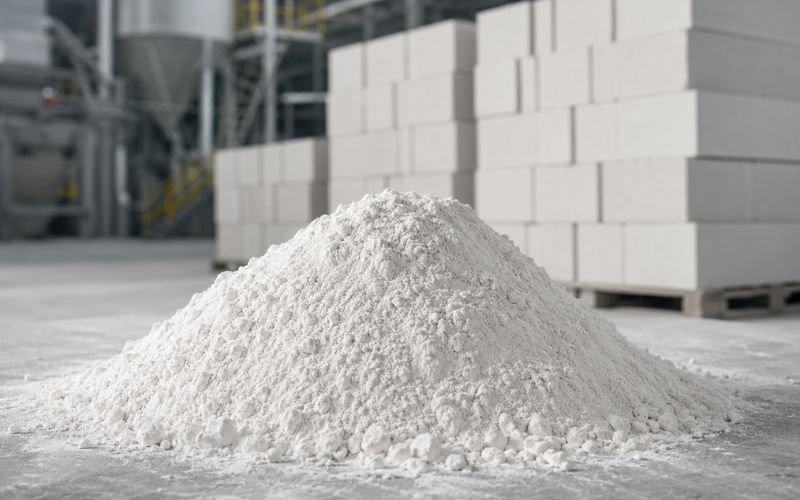
The cooled quicklime is sorted into different sizes depending on industrial requirements. Some applications require lumps, while others use finely processed quicklime powder.
7. Storage and Handling
Quicklime is highly reactive and must be stored in dry conditions. Exposure to moisture can convert it into slaked lime before it reaches the end user.
Quick Summary of Quicklime Manufacturing Process
- Limestone is selected based on purity
- It is crushed into uniform sizes
- The material is heated in a kiln (900–1100°C)
- Carbon dioxide is released, forming quicklime
- The product is cooled, graded, and stored
Types of Kilns Used in Calcination
The efficiency of the calcination process depends largely on the type of kiln used.
| Kiln Type | Efficiency | Fuel Usage | Output Quality | Best Use Case |
| Rotary Kiln | High | Moderate | Consistent | Large-scale production |
| Vertical Shaft Kiln | Moderate | Low | Good | Small to medium operations |
Rotary kilns provide better control over temperature and material flow, while vertical kilns offer cost-effective solutions with lower fuel consumption.
Common Challenges in the Calcination Process
Even with modern equipment, maintaining consistent quality requires careful monitoring.
- Under-calcination leads to incomplete conversion of limestone
- Over-burning reduces the reactivity of quicklime
- Uneven heating causes inconsistent product quality
- Impurities in limestone affect performance and efficiency
Manufacturers that control these variables produce more reliable and effective quicklime.
Quality Control in Quicklime Production
Quality control focuses on three main factors: purity, reactivity, and particle size. These parameters determine how well quicklime performs in industrial applications.
Consistent monitoring during production ensures that the final product meets industry standards and performs efficiently in real-world conditions.
Industrial Applications of Quicklime
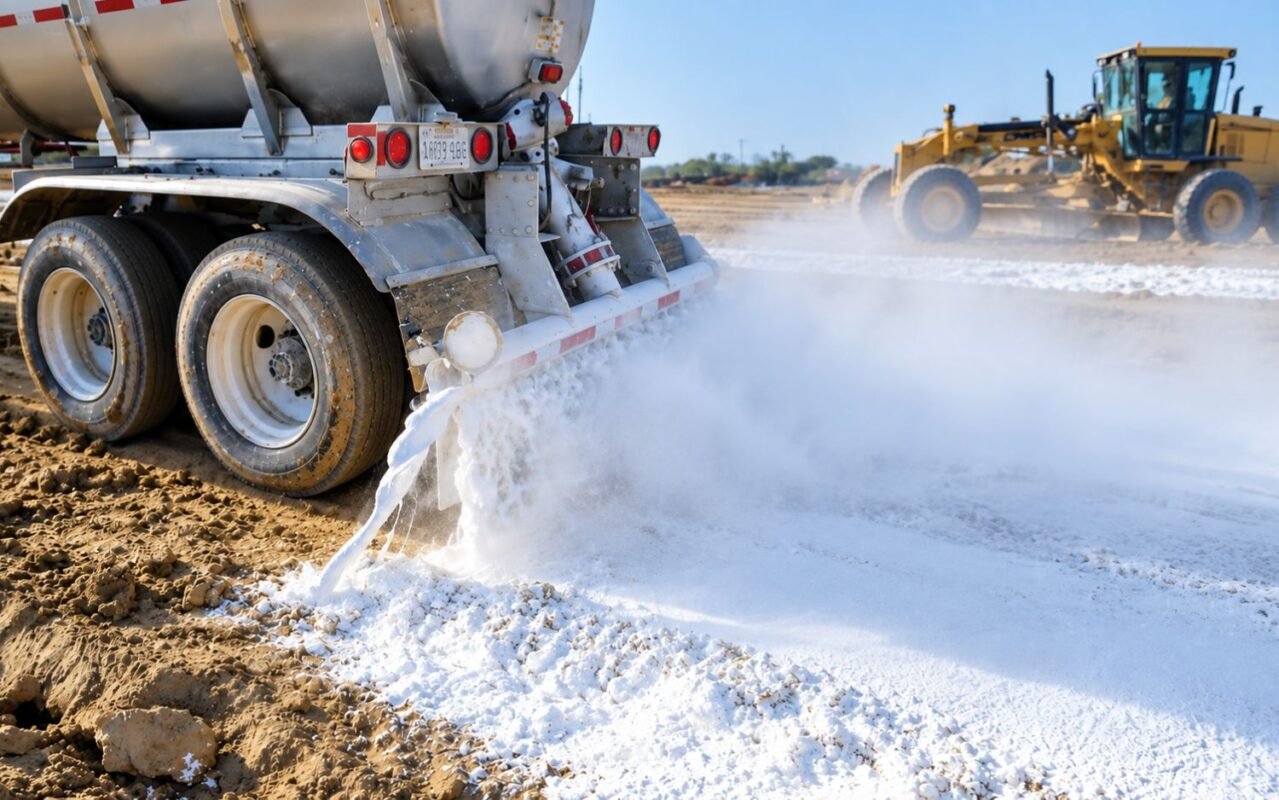
Quicklime plays a vital role in several industries. In steel manufacturing, it helps remove impurities during refining. In water treatment, it supports pH control and purification. The construction industry uses it for soil stabilisation and mortar preparation.
The relationship between quicklime and slaked lime is also important. When quicklime reacts with water, it forms slaked lime, which is widely used in plastering and other applications.
Why Rajasthan is a Key Hub for Quicklime Manufacturing
Rajasthan has become a major centre for quicklime production due to its abundant limestone reserves and well-developed industrial infrastructure. The region enables efficient sourcing, production, and distribution across India.
About Synergy Chemical Industries
Synergy Chemical Industries has built a strong reputation as the best quicklime manufacturer in Rajasthan by focusing on controlled processes, consistent raw material quality, and efficient production methods. The company supplies high-quality quicklime tailored to meet the needs of various industries.
What Industrial Buyers Should Know Before Choosing a Supplier
Understanding the calcination process helps buyers evaluate the quality of quicklime more effectively. The performance of quicklime depends not only on raw materials but also on how precisely each stage of production is managed.
A reliable manufacturer focuses on consistency, controlled kiln operation, and proper handling practices. These factors directly impact efficiency in applications such as steel processing, construction, and water treatment. When sourcing quicklime, it is important to look beyond pricing and consider production quality, technical expertise, and long-term reliability.
Frequently Asked Questions
Q1. What temperature is required for calcination of limestone?
Answer: Calcination takes place between 900°C and 1100°C, depending on the kiln and material properties.
Q2. What is quicklime used for?
Answer: Quicklime is used in steel production, water treatment, construction, and chemical industries.
Q3. What is the difference between quicklime and slaked lime?
Answer: Quicklime is calcium oxide, while slaked lime is calcium hydroxide formed when quicklime reacts with water.
Q4. How long does the calcination process take?
Answer: The duration depends on kiln type and material size, but it generally takes several hours.
Q5. Why is limestone purity important?
Answer: Higher purity leads to better efficiency, higher reactivity, and improved industrial performance.