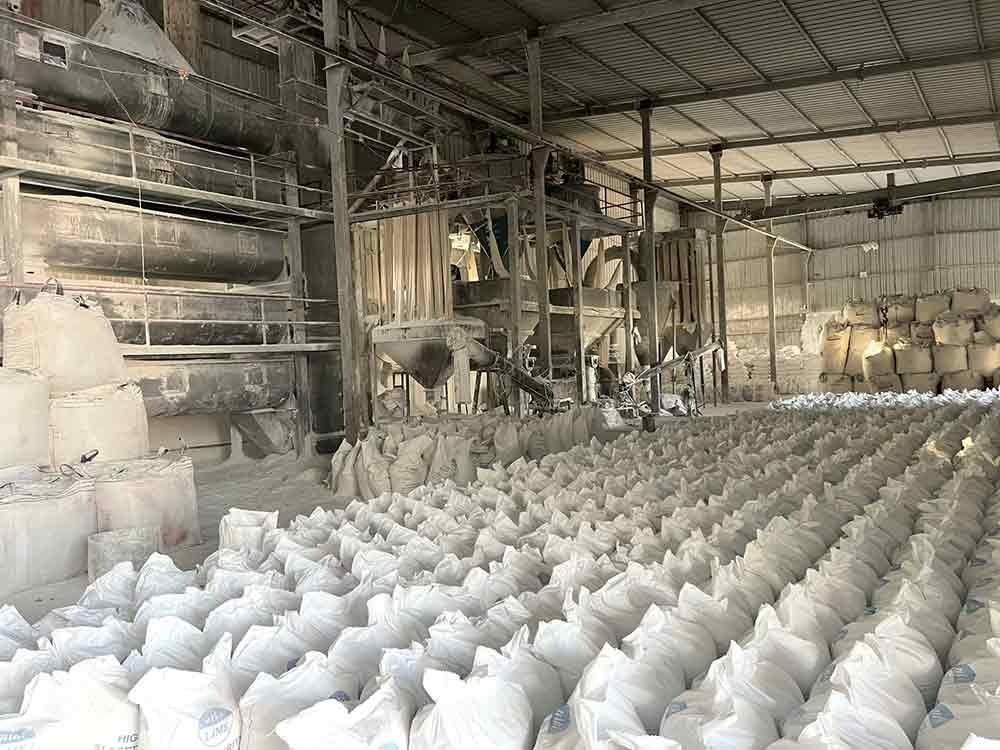


Choosing the right material for construction, water treatment, or industrial processing can significantly affect safety, durability, and performance. One of the most common areas of confusion is understanding when should you use hydrated lime instead of quicklime or cement. While all three materials play important roles in construction and industrial chemical applications, they are designed for very different purposes.
Hydrated lime, quicklime, and cement each offer distinct chemical properties and performance benefits. However, in applications requiring improved workability, moisture control, pH regulation, or safer handling, hydrated lime often becomes the preferred solution. From soil stabilisation and wastewater treatment to heritage restoration and sustainable construction, hydrated lime continues to be widely used across industries in India and globally.
Understanding Hydrated Lime, Quicklime, and Cement
Before deciding which material to use, it is important to understand how these products differ.
What Is Hydrated Lime?
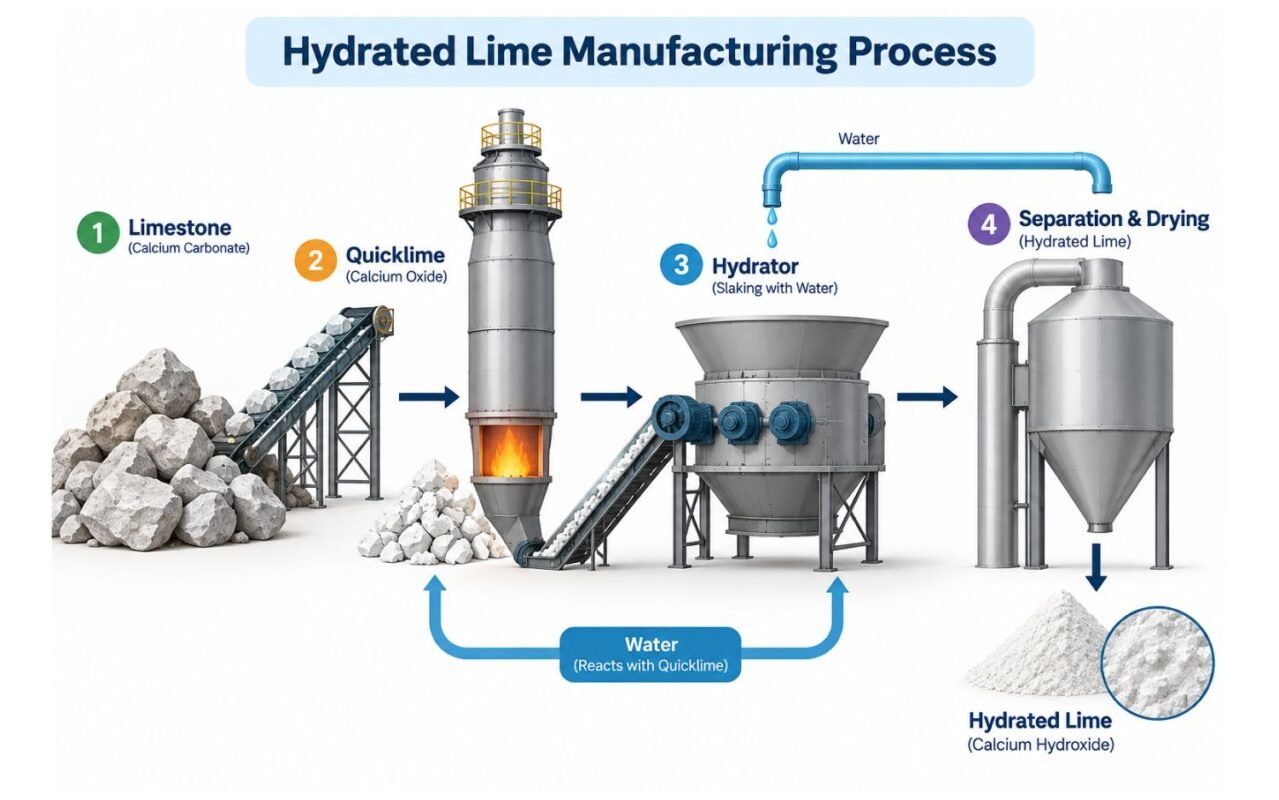
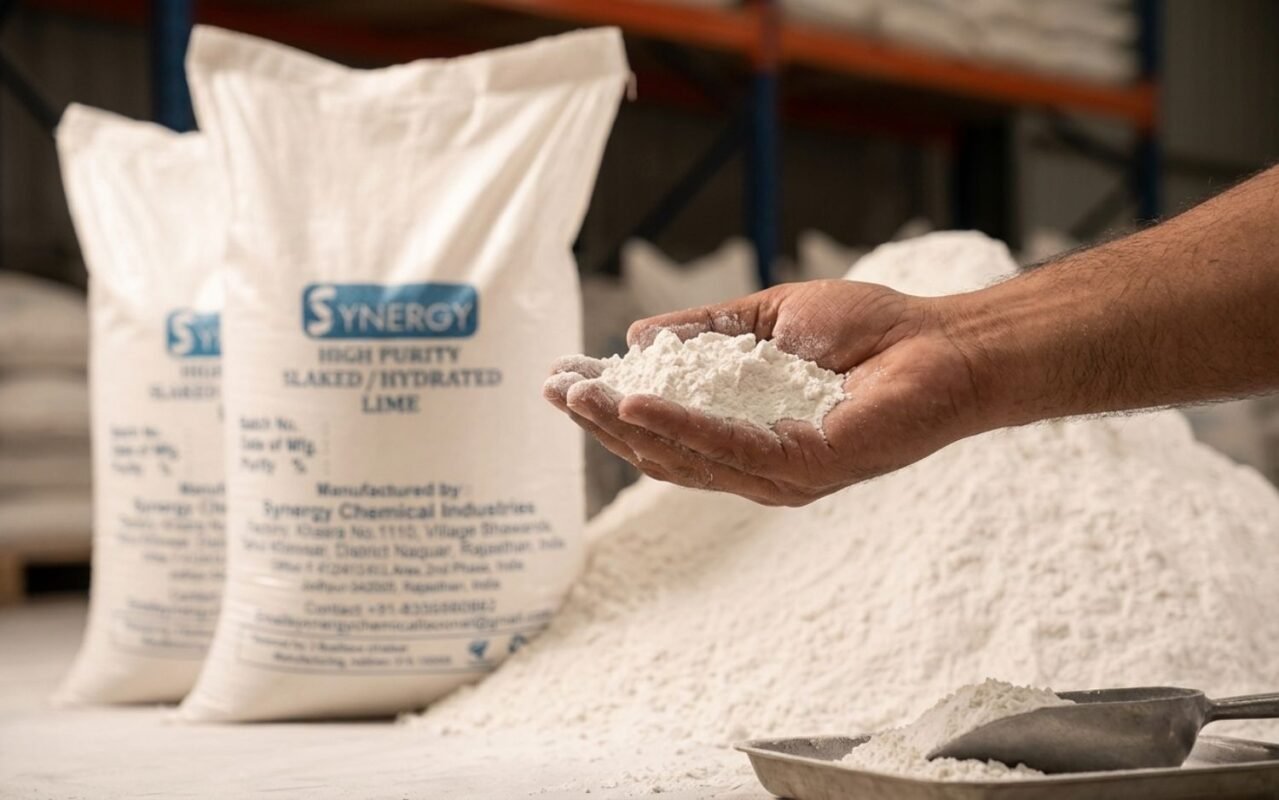
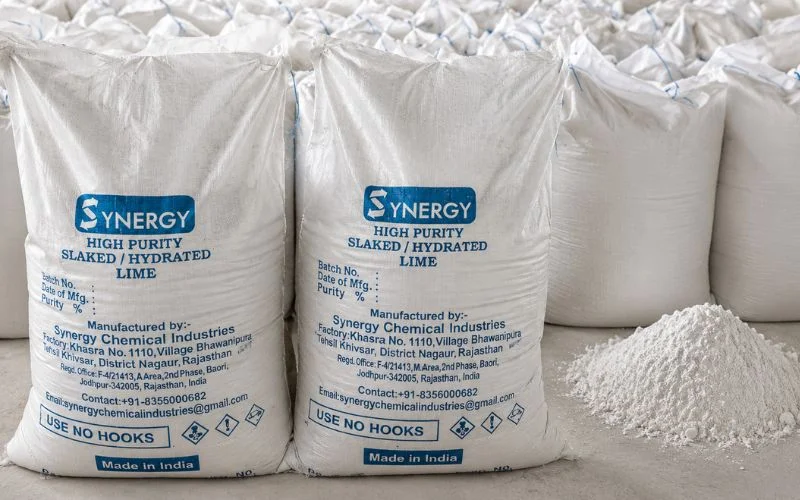
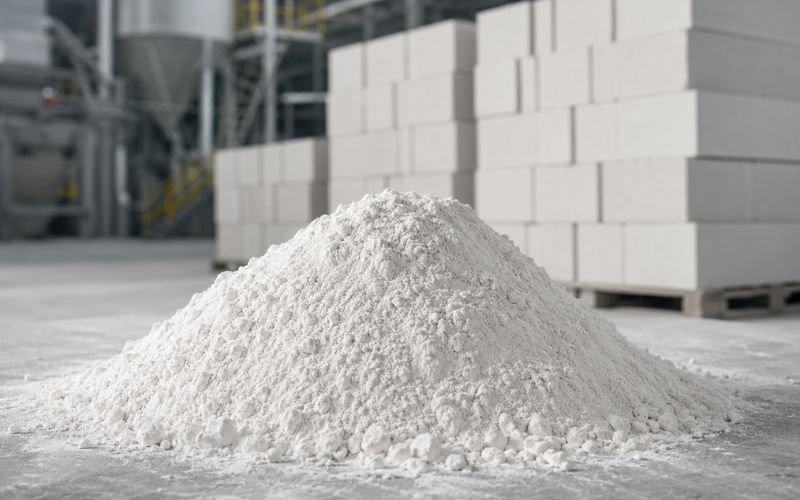
Hydrated lime, chemically known as calcium hydroxide, is produced when quicklime reacts with water in a controlled hydration process. It appears as a fine white powder and is commonly used in construction, environmental applications, and industrial manufacturing.
It is valued for:
- Improved mortar workability
- pH control capabilities
- Moisture regulation
- Chemical stability
- Safer handling compared to quicklime
What Is Quicklime?
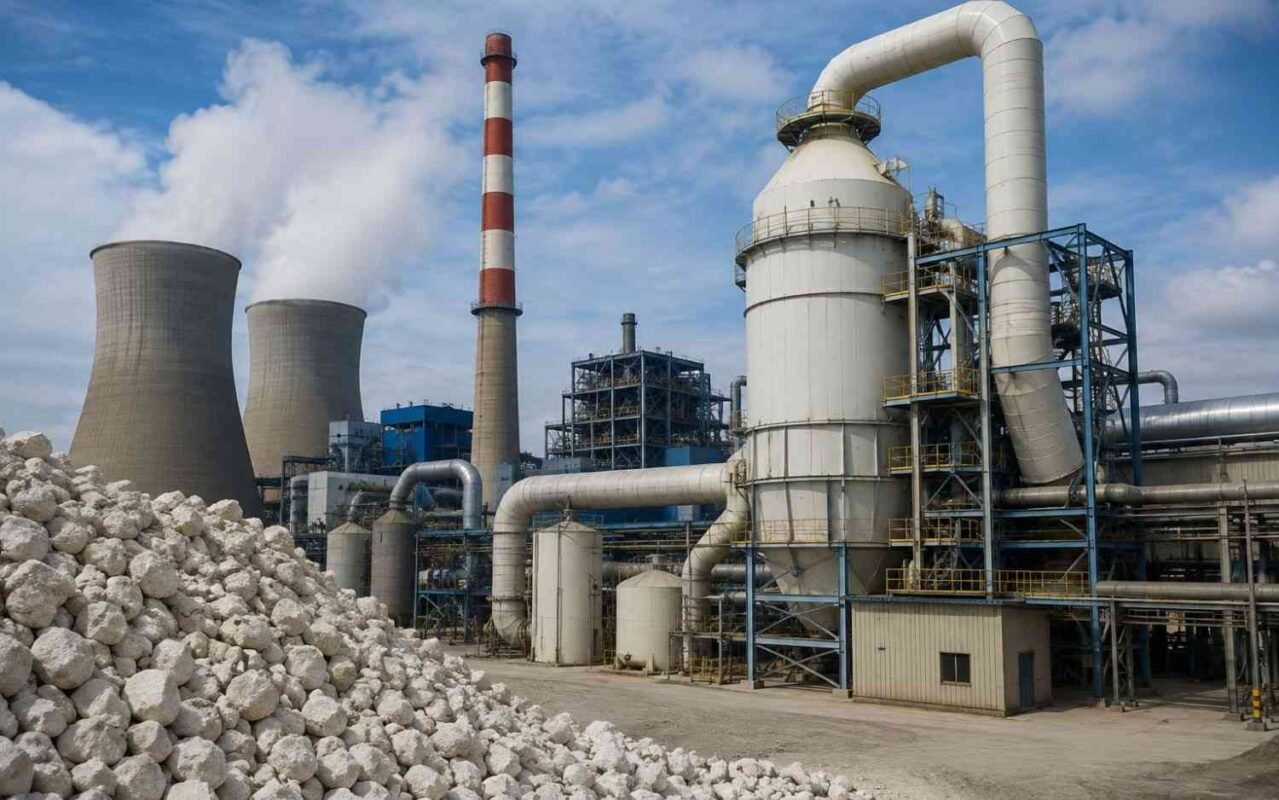
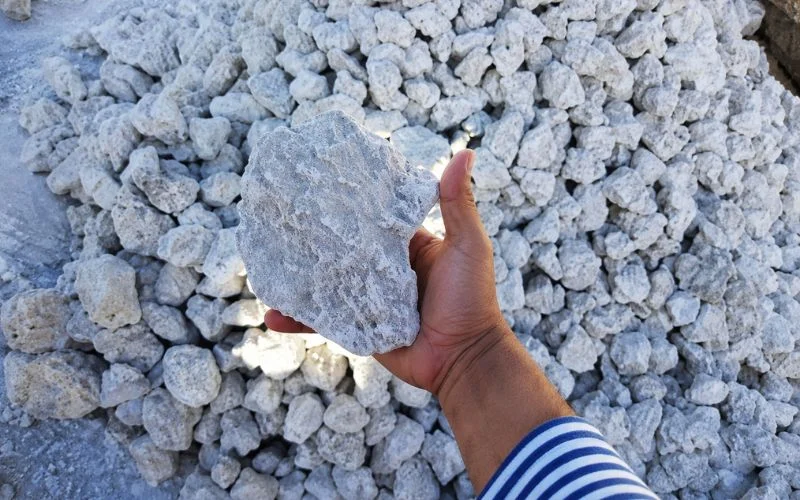
Quicklime, or calcium oxide, is produced by heating limestone at high temperatures. It is highly reactive and generates intense heat when mixed with water.
Quicklime is commonly used in:
- Steel manufacturing
- High-temperature industrial processes
- Chemical production
- Large-scale soil drying
However, its reactive nature requires careful handling and specialised storage conditions.
What Is Cement?
Cement is a binding material widely used in concrete and structural construction. Unlike lime-based solutions, cement sets rapidly and creates rigid structures.
Cement performs well in:
- High-strength construction
- Reinforced concrete
- Commercial infrastructure
- Fast-setting applications
Although durable, cement can sometimes lead to reduced flexibility and cracking in older or moisture-sensitive structures.
Hydrated Lime vs Quicklime vs Cement
| Property | Hydrated Lime | Quicklime | Cement |
| Chemical Composition | Calcium Hydroxide | Calcium Oxide | Calcium Silicates |
| Reaction with Water | Mild and controlled | Highly reactive | Moderate |
| Heat Generation | Low | Very high | Low |
| Flexibility | High | Low | Moderate |
| Breathability | Excellent | Limited | Poor |
| Common Uses | Mortar, water treatment, soil stabilisation | Steel, industrial processing | Concrete and structural work |
| Handling Safety | Safer and easier | Requires caution | Standard handling |
This comparison highlights why hydrated lime is often preferred in applications requiring safety, flexibility, and controlled performance.
When Should You Use Hydrated Lime Instead of Quicklime?
In many industrial and construction settings, hydrated lime offers a safer and more controlled alternative to quicklime.
Safer Handling and Reduced Heat Generation
One major difference in the hydrated lime vs quicklime comparison is safety. Quicklime reacts aggressively with water and releases substantial heat. Hydrated lime has already undergone hydration, making it safer to transport, store, and apply.
This is especially important in environments where worker safety and controlled chemical reactions are priorities.
Better for Water and Wastewater Treatment
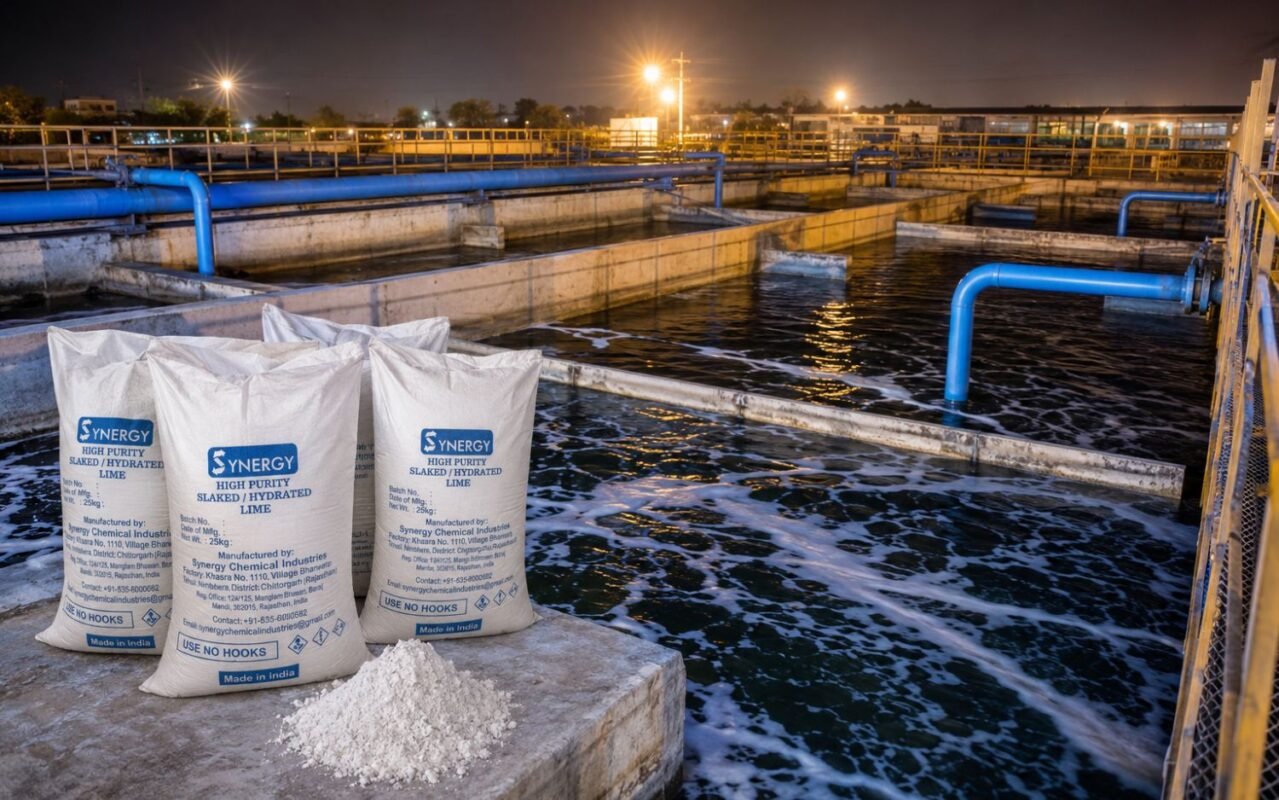
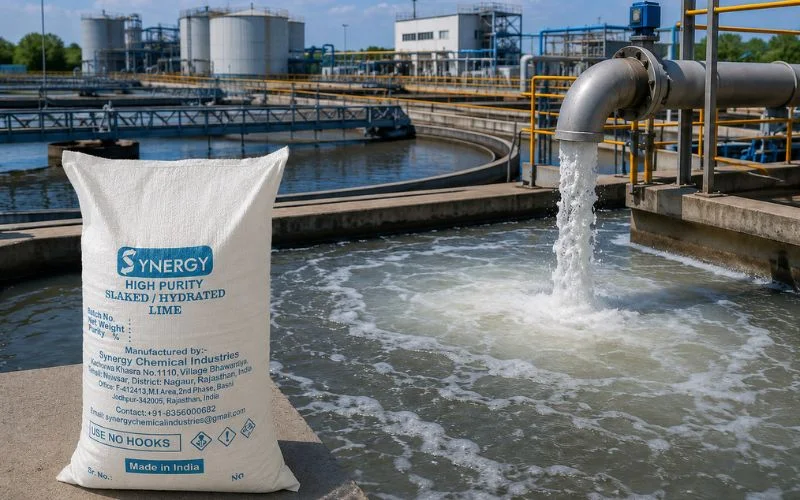
Hydrated lime is extensively used for pH control in water treatment facilities. It helps neutralise acidic water and remove impurities during treatment processes.
In hydrated lime in water treatment applications, operators prefer hydrated lime because:
- It dissolves more predictably
- It is easier to dose accurately
- It reduces operational risks
Municipal water plants and industrial wastewater facilities commonly use hydrated lime for environmental compliance.
Effective Soil Stabilisation
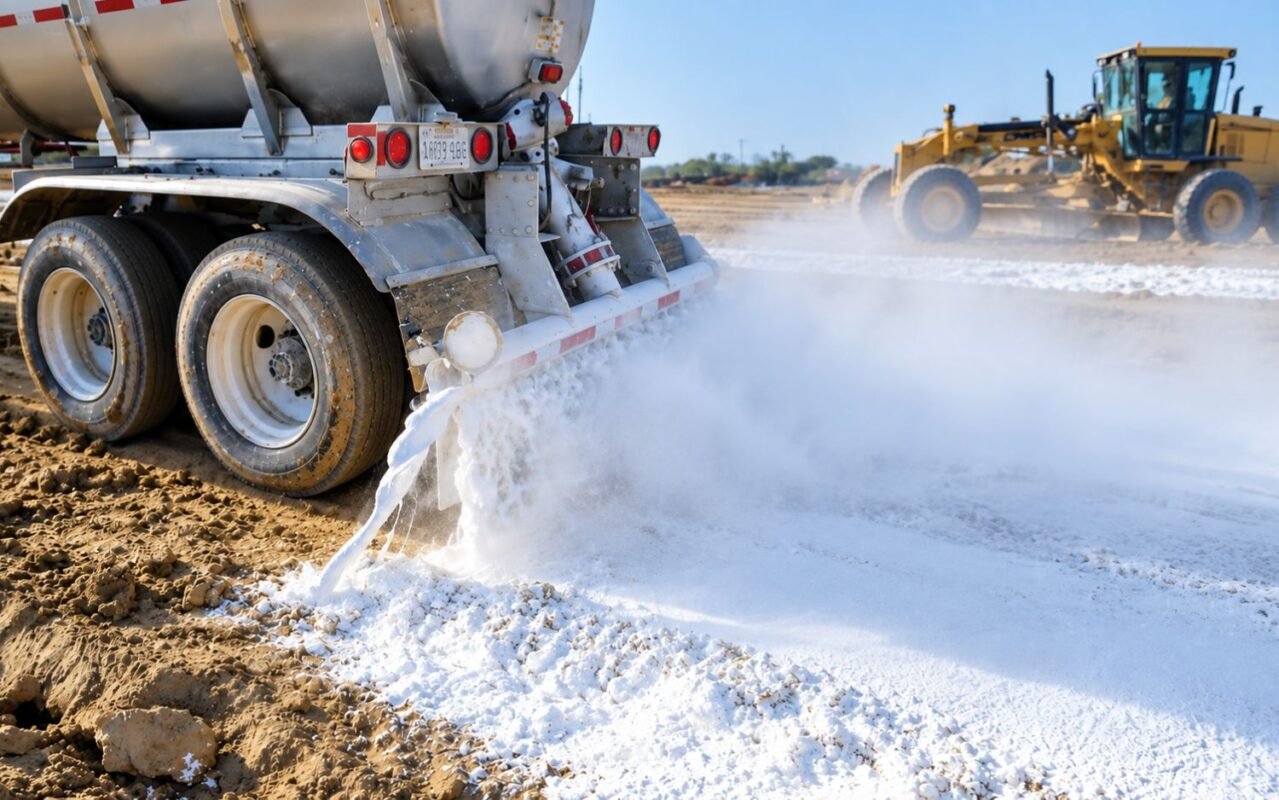
In road construction and infrastructure development, hydrated lime in soil stabilisation improves soil strength and reduces moisture content.
Compared to quicklime, hydrated lime is often selected when:
- Controlled soil treatment is required
- Dust reduction is important
- Worker exposure needs minimising
It also improves long-term soil performance by enhancing compaction and reducing shrink-swell behaviour.
Agricultural and Environmental Applications
Hydrated lime is frequently used in agriculture to balance soil acidity and improve nutrient availability. It is also applied in environmental projects involving waste management and emissions control.
Its controlled reactivity makes it ideal for these sensitive applications.
When Is Hydrated Lime Better Than Cement?
The debate around hydrated lime vs cement is particularly important in masonry, restoration, and moisture-sensitive construction projects.
Improved Breathability and Moisture Control
Unlike cement, hydrated lime allows buildings to “breathe.” This means moisture can escape naturally through walls, reducing trapped dampness and mould growth.
This property makes lime for construction highly suitable for:
- Heritage buildings
- Traditional masonry
- Stone structures
- Humid environments
Greater Flexibility and Crack Resistance
Cement-based mortars can become rigid over time. In older buildings, this rigidity may lead to cracking when structures naturally shift.
Hydrated lime offers:
- Better flexibility
- Improved crack resistance
- Enhanced mortar improvement
- Longer material compatibility
For restoration projects, lime-based mortars are often recommended because they move more naturally with historic materials.
Better Workability in Masonry Applications
Builders and plastering professionals often prefer hydrated lime because it improves mortar consistency and application.
Benefits include:
- Smoother plastering material
- Easier spreading
- Improved bonding
- Reduced shrinkage
These qualities enhance craftsmanship and improve the final finish in masonry applications.
More Sustainable Construction Practices
Hydrated lime supports sustainable construction by reducing material stress and improving building longevity. In some applications, lime production may also involve lower embodied energy compared to certain cement-intensive systems.
As environmental regulations become stricter, many construction professionals are adopting lime-based solutions for eco-conscious building practices.
Key Industries That Use Hydrated Lime
Hydrated lime plays an essential role across several industries due to its versatility and chemical performance.
Common Applications of Hydrated Lime
- Construction and masonry applications
- Water and wastewater treatment
- Steel and mining industries
- Agriculture and soil improvement
- Chemical manufacturing
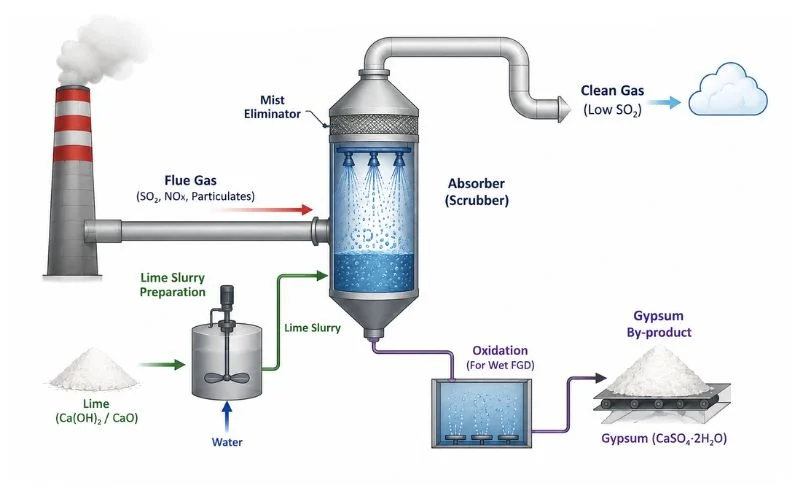
- Environmental applications and emissions control
Its broad industrial relevance continues to drive demand for reliable industrial hydrated lime suppliers.
Advantages of Hydrated Lime in Modern Applications
Modern industries increasingly value hydrated lime for its performance, sustainability, and adaptability.
Sustainability and Environmental Benefits
Hydrated lime supports environmentally responsible processes through effective neutralisation and pollution control. It is widely used in industrial chemical applications involving emissions reduction and water purification.
Cost Efficiency and Durability
In many construction additives and mortar systems, hydrated lime improves durability and reduces long-term maintenance costs. Structures built with lime-enhanced mortars often experience fewer moisture-related failures.
Better Chemical Performance
Hydrated lime provides reliable chemical stability in industrial processes requiring pH adjustment or contaminant removal. Its predictable behaviour makes it valuable in controlled environments.
Enhanced Structural Performance
When used correctly, hydrated lime improves adhesion, flexibility, and overall mortar quality, contributing to stronger and more durable structures.
How to Choose the Right Lime Product
Selecting the right material depends on the application and operating conditions.
Consider the Application Type
Hydrated lime is ideal for:
- Controlled chemical processes
- Mortar and plaster applications
- Water treatment systems
- Soil improvement projects
Quicklime may be preferred for highly reactive industrial operations.
Evaluate Safety Requirements
If worker safety and ease of handling are important, hydrated lime is usually the better option.
Assess Moisture and Structural Conditions
For breathable walls, restoration work, and moisture-sensitive environments, hydrated lime performs better than rigid cement systems.
Review Industrial Process Needs
Industrial buyers should also consider purity, particle size, and compliance with relevant BIS standards before selecting a product.
Why Quality Matters When Buying Hydrated Lime
The quality of hydrated lime directly affects performance, consistency, and operational reliability.
Low-grade products may lead to:
- Inconsistent chemical reactions
- Poor mortar performance
- Reduced pH control efficiency
- Higher maintenance costs
Working with a trusted hydrated lime manufacturer in India ensures better quality assurance and dependable supply.
Synergy Chemical industries supplies industrial-grade hydrated lime for construction, environmental, and industrial applications. Buyers should always choose suppliers that maintain consistent quality standards and technical reliability.
For related solutions, businesses may also explore:
- Hydrated Lime Product Page
- Industrial Chemicals Page
- Water Treatment Solutions
- Construction Chemical Solutions
Choosing the Right Material for Long-Term Performance
Understanding when should you use hydrated lime instead of quicklime or cement is essential for achieving better safety, durability, and long-term performance. Hydrated lime offers significant advantages in controlled industrial processes, water treatment, masonry applications, and sustainable construction projects. Its flexibility, moisture control, and chemical stability make it a preferred choice across multiple industries.
For businesses seeking reliable lime-based solutions and consistent product quality, partnering with experienced suppliers such as Synergy Chemical industries can support better operational and construction outcomes
FAQs
Is hydrated lime safer than quicklime?
Yes. Hydrated lime is generally safer because it has already undergone hydration, reducing the risk of intense heat generation during handling.
Can hydrated lime replace cement?
In some masonry and restoration applications, hydrated lime can partially replace cement to improve flexibility, breathability, and crack resistance.
What industries use hydrated lime?
Hydrated lime is used in construction, water treatment, mining, steel manufacturing, agriculture, and environmental applications.
Is hydrated lime environmentally friendly?
Hydrated lime supports sustainable construction and environmental treatment processes through pH control, emissions reduction, and wastewater treatment.
What is hydrated lime mainly used for?
Hydrated lime is mainly used for mortar improvement, soil stabilisation, water treatment, plastering, and industrial chemical applications.