
Hydrated lime remains one of the most widely used chemicals in industrial wastewater treatment because of its effectiveness in pH adjustment, wastewater neutralisation, heavy metal precipitation, and sludge conditioning. The Role of Hydrated Lime in Effluent Treatment Plants is critical for maintaining treatment efficiency, meeting environmental regulations, and improving overall water quality.
Across industries such as textiles, chemicals, pharmaceuticals, metal processing, and food manufacturing, wastewater often contains acidic contaminants, dissolved metals, suspended solids, and other pollutants. Hydrated lime provides a practical and cost-effective solution for treating these contaminants before effluent is discharged or reused. Its ability to support multiple treatment stages makes it an essential component of modern industrial effluent treatment systems.
Understanding Hydrated Lime and Its Industrial Significance
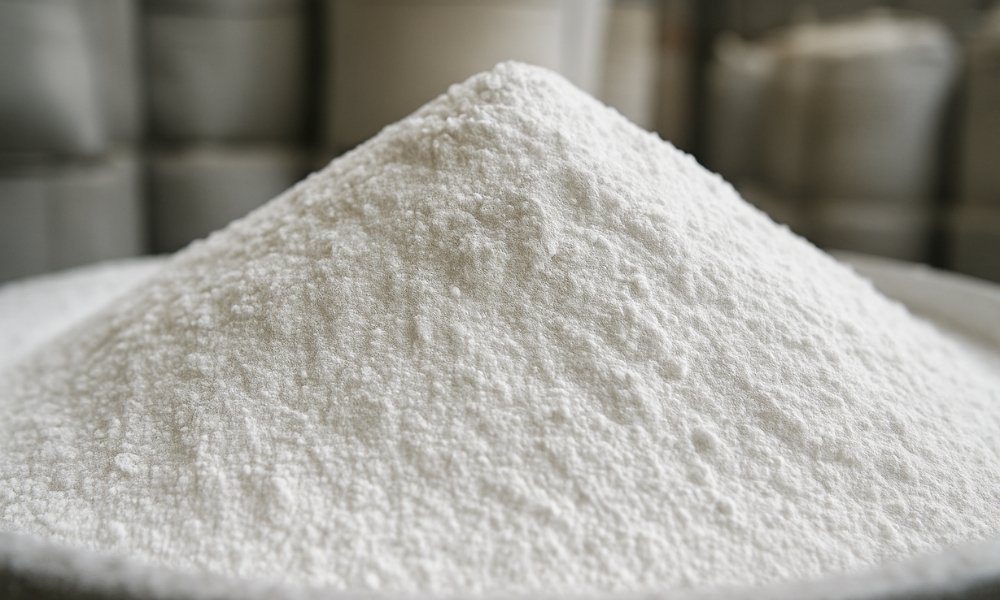
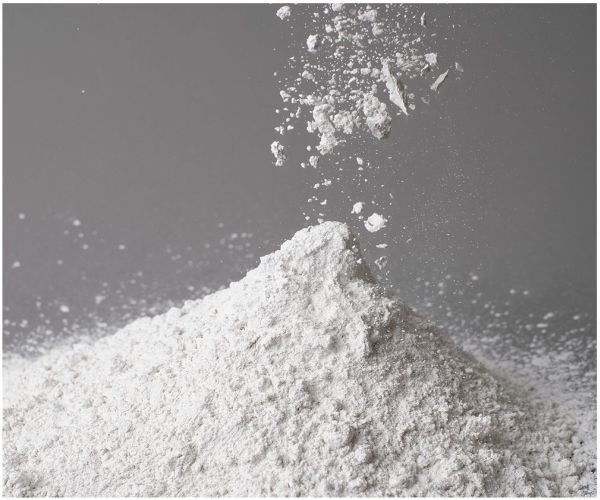
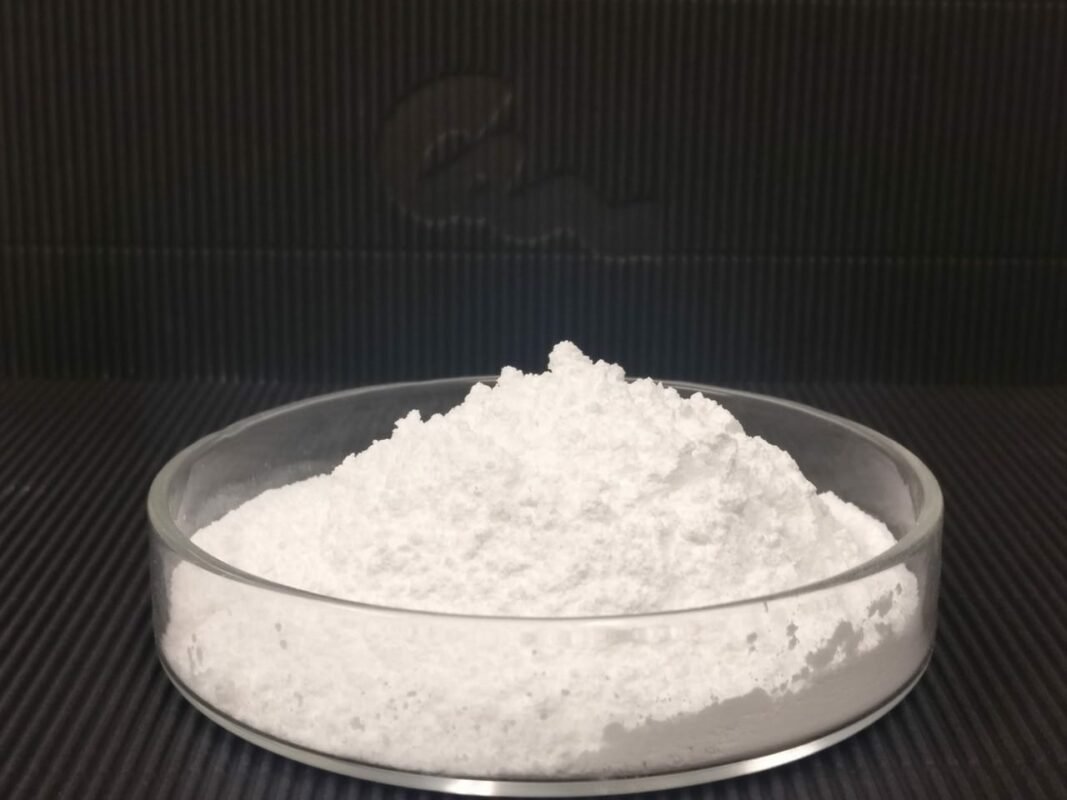
Hydrated lime, chemically known as calcium hydroxide (Ca(OH)₂), is a highly alkaline compound produced by adding water to quicklime (calcium oxide). It appears as a fine white powder and is widely used in water and wastewater treatment applications.
The strong alkaline properties of hydrated lime make it particularly suitable for alkalinity adjustment and neutralisation of acidic wastewater streams. When introduced into wastewater through controlled chemical dosing systems, it rapidly increases pH levels and creates favourable conditions for several treatment processes.
In industrial applications, hydrated lime is valued for its consistent performance, availability, and ability to assist in multiple stages of the chemical treatment of effluent.
Why is Hydrated Lime Used in ETPs?
Industrial wastewater frequently contains acidic compounds, dissolved metals, suspended particles, and other pollutants that must be removed before discharge. Environmental regulations require industries to meet specific water quality standards, making effective treatment essential.
Hydrated Lime in ETP operations helps achieve these objectives by:
- Neutralising acidic effluent streams and stabilising pH levels.
- Supporting pollutant removal processes that improve effluent discharge compliance.
- Enhancing coagulation, flocculation, and wastewater clarification.
- Reducing the concentration of dissolved heavy metals.
- Improving sludge characteristics for easier handling and disposal.
As a result, hydrated lime plays a significant role in pollution control and regulatory compliance across industrial wastewater treatment facilities.
Key Functions of Hydrated Lime in Wastewater Treatment
pH Correction and Neutralisation
One of the primary applications of Hydrated Lime for Wastewater Treatment is pH control. Many industrial processes generate acidic wastewater that can damage treatment infrastructure and hinder downstream treatment performance.
The neutralisation process occurs when calcium hydroxide reacts with acidic compounds, increasing the pH to the desired range. Proper pH Control in Wastewater Treatment improves treatment efficiency and creates suitable conditions for subsequent chemical and biological processes.
Heavy Metal Removal
Industrial wastewater from metal finishing, electroplating, mining, and chemical manufacturing often contains dissolved heavy metals such as chromium, nickel, copper, and zinc.
Hydrated lime increases pH levels, causing many dissolved metals to form insoluble hydroxide compounds. These precipitates can then be separated from the wastewater through settling and filtration processes. This process of heavy metal precipitation is a key reason why lime dosing remains common in industrial treatment systems.
Coagulation and Flocculation Support
Hydrated lime also assists coagulation and flocculation by creating optimal chemical conditions for particle aggregation.
As wastewater pH is adjusted, fine suspended particles become easier to destabilise and combine into larger flocs. These larger particles settle more effectively, contributing to improved wastewater clarification and reduced turbidity.
Reduction of Suspended Impurities
Suspended solids can significantly impact water quality and discharge compliance. Through pH adjustment and enhanced coagulation, hydrated lime supports the removal of suspended solids from industrial wastewater streams.
The result is clearer effluent with lower pollutant loads and improved treatment performance.
Sludge Conditioning
Hydrated lime contributes to effective sludge treatment by improving sludge stability and dewatering characteristics. Lime-treated sludge often becomes easier to handle, transport, and dispose of while reducing odour and biological activity.
How Hydrated Lime Works in an ETP Process
The treatment mechanism begins when hydrated lime is introduced into wastewater through a controlled Lime Dosing in ETP system. Once mixed, the calcium hydroxide dissolves and releases hydroxide ions, which raise the pH of the wastewater.
As the pH increases, acidic contaminants are neutralised, and dissolved heavy metals begin to precipitate. Simultaneously, favourable conditions are established for coagulation and flocculation, allowing suspended particles to form larger aggregates.
These aggregates settle in clarification units, where solids are separated from treated water. The resulting sludge is collected for further processing, while the clarified effluent proceeds to subsequent treatment stages or discharge points. This sequence improves pollutant removal and helps facilities meet environmental discharge standards.
Benefits of Using Hydrated Lime in Industrial Wastewater Treatment
Hydrated lime offers several operational and environmental advantages in Industrial Effluent Treatment applications.
- Effective neutralisation of acidic wastewater.
- Reliable heavy metal removal through precipitation.
- Improved coagulation and flocculation performance.
- Enhanced sludge conditioning and dewatering.
- Cost-effective treatment for large wastewater volumes.
In addition to these benefits, hydrated lime contributes to regulatory compliance and supports long-term wastewater management objectives.
Industries That Commonly Use Hydrated Lime in ETPs
A wide range of industries rely on hydrated lime as part of their wastewater treatment programmes.
Textile manufacturers use it to neutralise dyeing and processing effluents. Chemical plants employ it for pH control and contaminant removal. Pharmaceutical facilities use lime treatment to manage process wastewater, while paper and pulp mills utilise it for alkalinity adjustment and suspended solids removal.
Metal processing industries depend on hydrated lime for heavy metal precipitation, and food processing plants often apply it to maintain treatment stability and support wastewater clarification.
Factors to Consider When Selecting Hydrated Lime for ETP Applications
The effectiveness of hydrated lime depends on product quality and application suitability. Key considerations include chemical purity, particle size distribution, reactivity, storage conditions, and dosing requirements.
Consistent quality ensures predictable treatment performance and reduces process variability. Proper storage is also important to prevent moisture absorption and maintain product effectiveness.
Supplier reliability should not be overlooked, particularly for facilities operating continuous wastewater treatment systems where uninterrupted chemical availability is essential.
Why Quality Hydrated Lime Matters for Treatment Efficiency
The performance of wastewater treatment systems is directly influenced by the quality of chemicals used. Lower-grade products may contain impurities that reduce reactivity, increase consumption rates, and affect treatment outcomes.
High-quality hydrated lime provides more consistent pH adjustment, improved precipitation efficiency, and better sludge characteristics. This helps operators optimise chemical dosing, reduce operational issues, and maintain compliance with environmental standards.
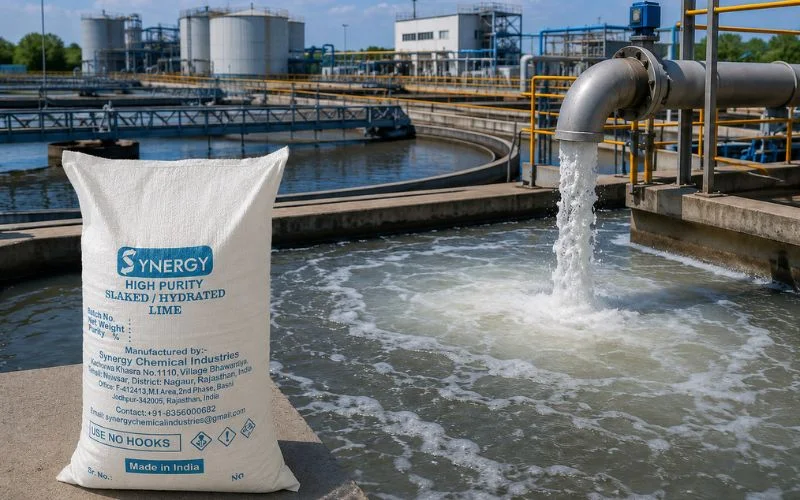
For industries seeking dependable ETP Chemicals, working with an established manufacturer is essential. Synergy Chemicals Industries supplies quality hydrated lime for industrial applications across India, supporting wastewater treatment operations with reliable and consistent products
Hydrated Lime as a Core Chemical in Industrial Wastewater Management
The Role of Hydrated Lime in Effluent Treatment Plants extends far beyond simple pH adjustment. As a versatile treatment chemical, it supports wastewater neutralisation, heavy metal removal, coagulation, flocculation, suspended solids reduction, and sludge treatment.
By selecting high-quality hydrated lime and implementing appropriate dosing practices, industries can improve treatment efficiency, achieve effluent discharge compliance, and support responsible environmental management. For organisations seeking dependable solutions for industrial wastewater treatment, partnering with experienced suppliers such as Synergy Chemicals Industries can contribute significantly to long-term operational performance and regulatory compliance.
FAQs
1. What is hydrated lime used for in wastewater treatment?
Hydrated lime is used for pH correction, wastewater neutralisation, heavy metal precipitation, coagulation support, and sludge conditioning in wastewater treatment plants.
2. How does hydrated lime remove heavy metals from wastewater?
Hydrated lime raises the pH of wastewater, causing dissolved heavy metals to form insoluble hydroxides that can be removed through settling and filtration.
3. Why is pH control important in ETP operations?
Proper pH control improves chemical treatment efficiency, protects equipment, supports biological processes, and helps industries meet discharge regulations.
4. Which industries commonly use hydrated lime in ETPs?
Textile, chemical, pharmaceutical, paper and pulp, metal processing, and food processing industries frequently use hydrated lime in their treatment systems.
5. How do I choose the right hydrated lime supplier?
Consider product purity, consistency, technical support, supply reliability, and experience in serving industrial wastewater treatment applications.