
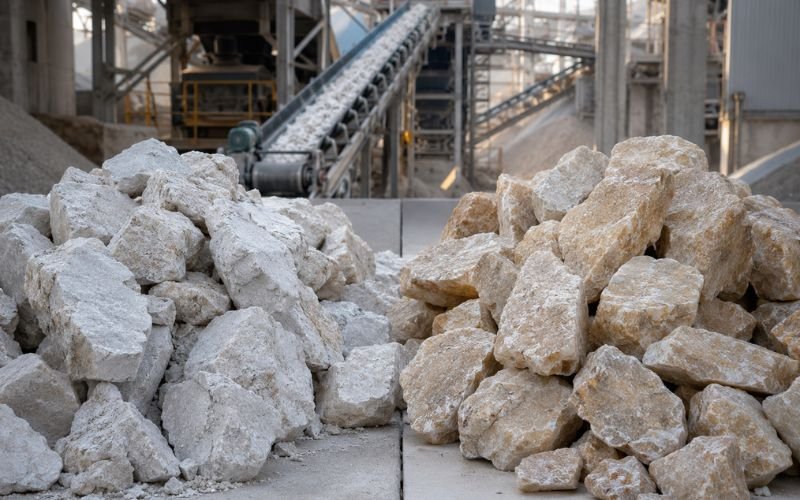
For industrial buyers, selecting the right mineral is not simply a procurement decision it directly affects production efficiency, product quality, furnace performance, and operational costs. Among the most widely used industrial minerals, limestone and dolomite play critical roles across sectors such as steel, cement, glass, chemicals, agriculture, paints, and water treatment.
Although these minerals may appear similar, their chemical composition and industrial behaviour differ significantly. Understanding the difference between limestone and dolomite helps manufacturers choose the most suitable raw material for their process requirements.
In India’s rapidly expanding manufacturing and infrastructure sectors, demand for high-quality mineral inputs continues to rise. As experienced limestone manufacturers in India, companies such as Synergy Chemical Industries focus on supplying consistent, high-purity mineral solutions for industrial applications where quality and reliability are essential.
What Is Limestone?
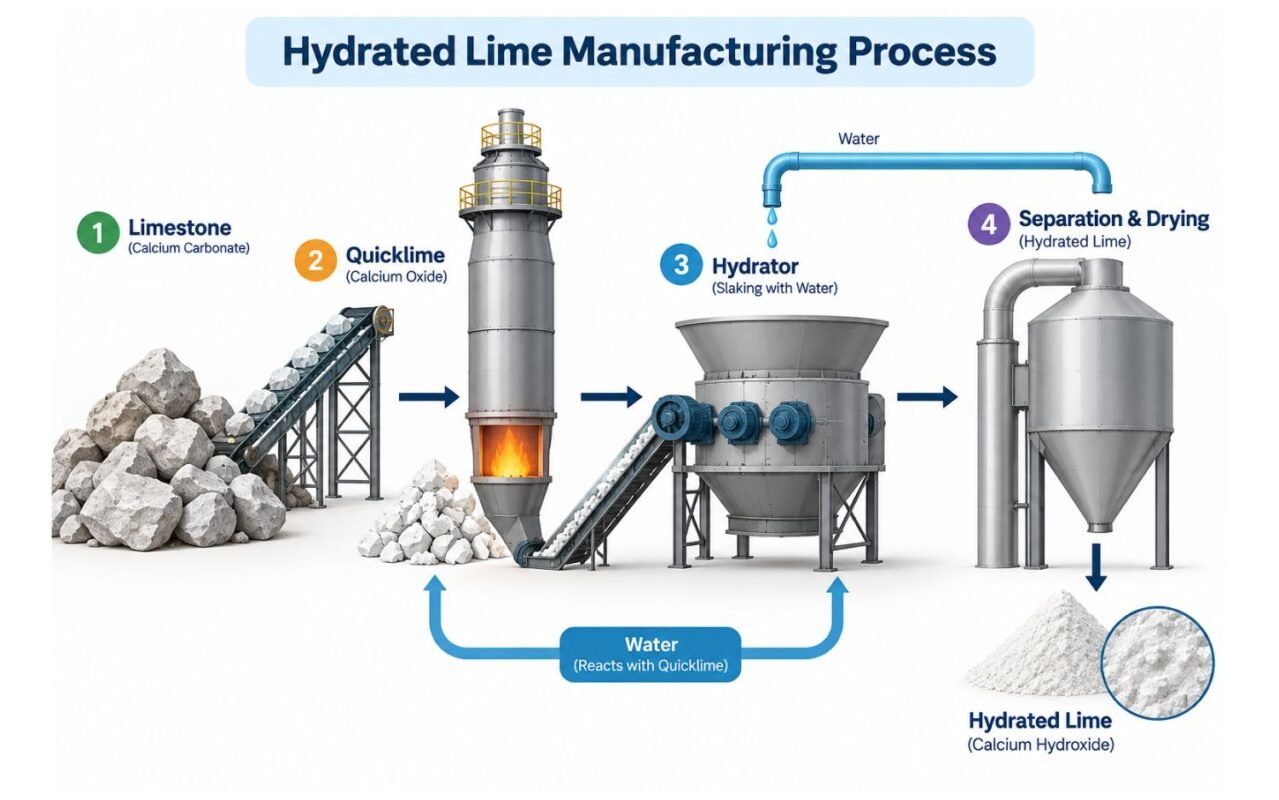
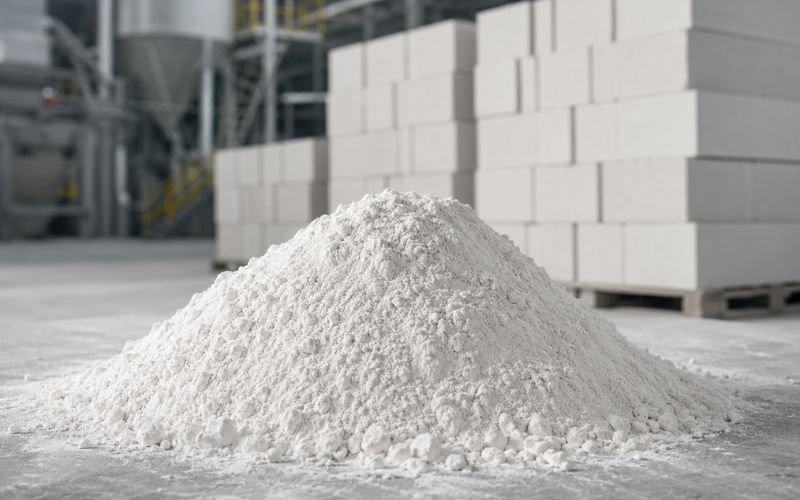
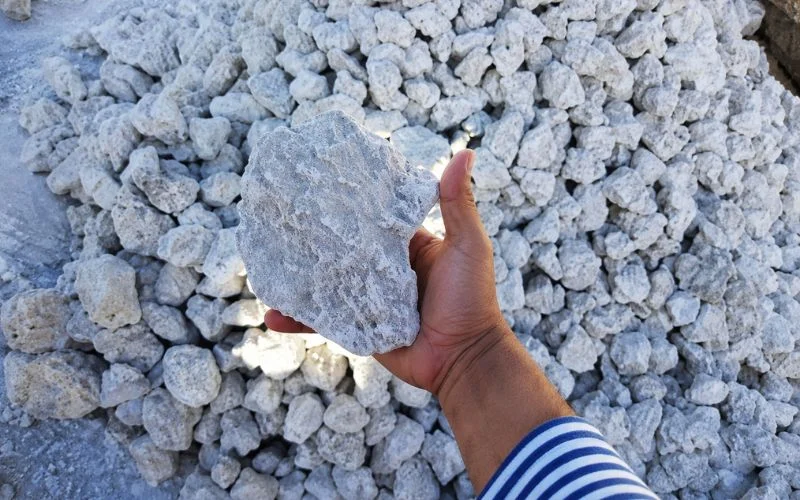
Limestone is a sedimentary rock primarily composed of calcium carbonate (CaCO₃). It is widely used as a raw material and flux material in multiple industrial processes due to its high calcium content, chemical stability, and cost efficiency.
High purity limestone is especially valued in industries that require controlled chemical composition and low impurity levels.
Common Characteristics of Limestone
- High calcium carbonate content
- Excellent reactivity in chemical processing
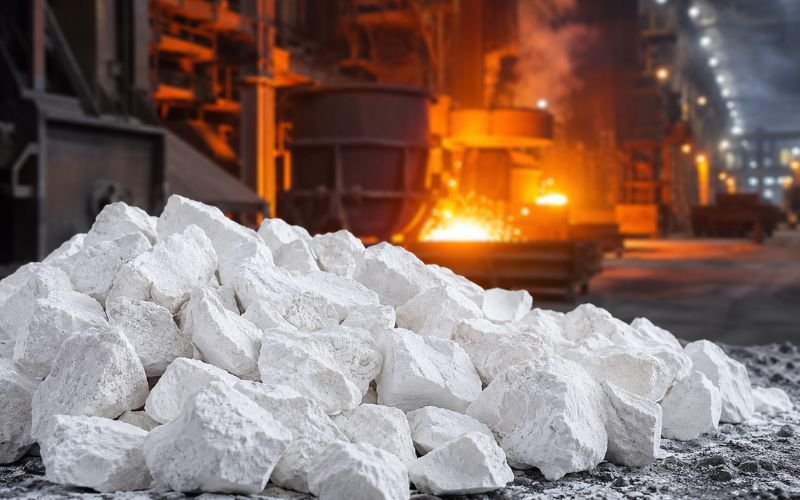
- Widely used as a flux material in steel manufacturing
- Available in chemical grade and construction-grade variants
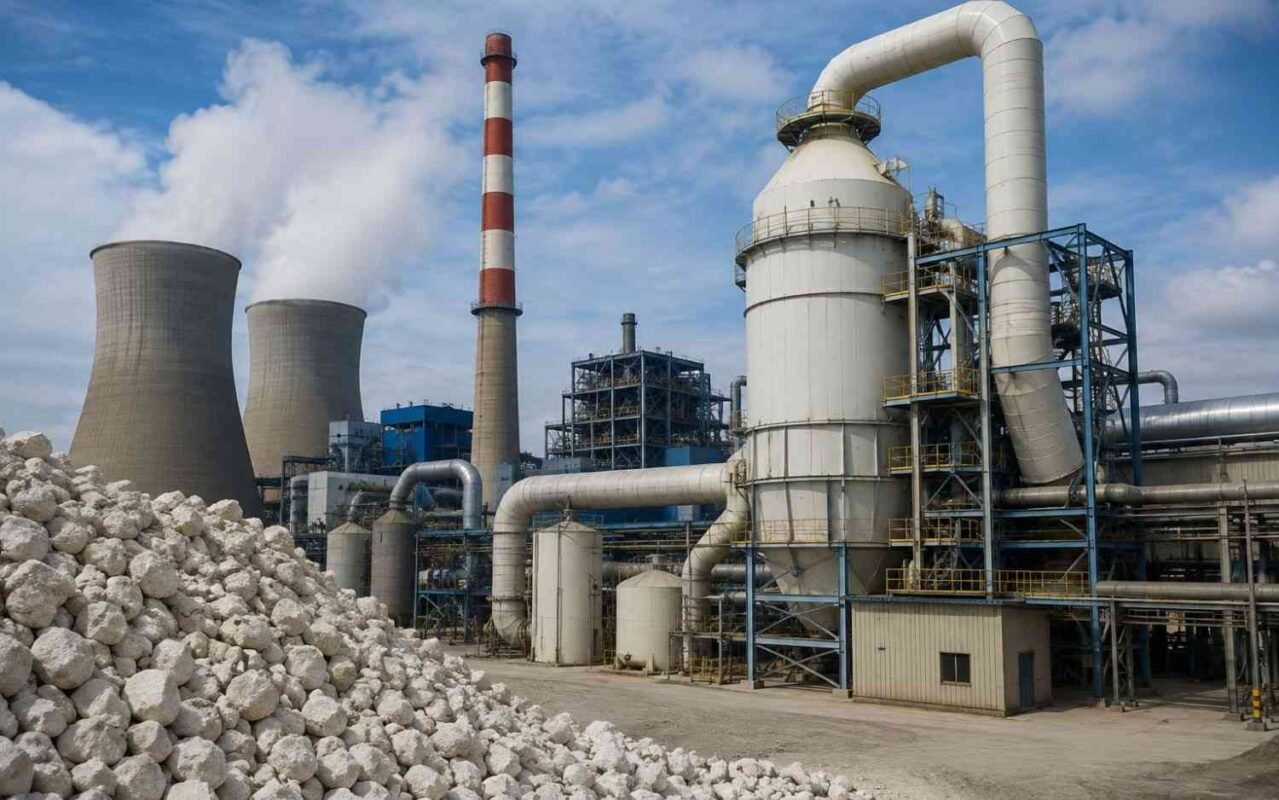
Industries commonly use limestone for cement production, steel refining, flue gas treatment, paints, plastics, paper manufacturing, and agriculture lime applications.
What Is Dolomite?
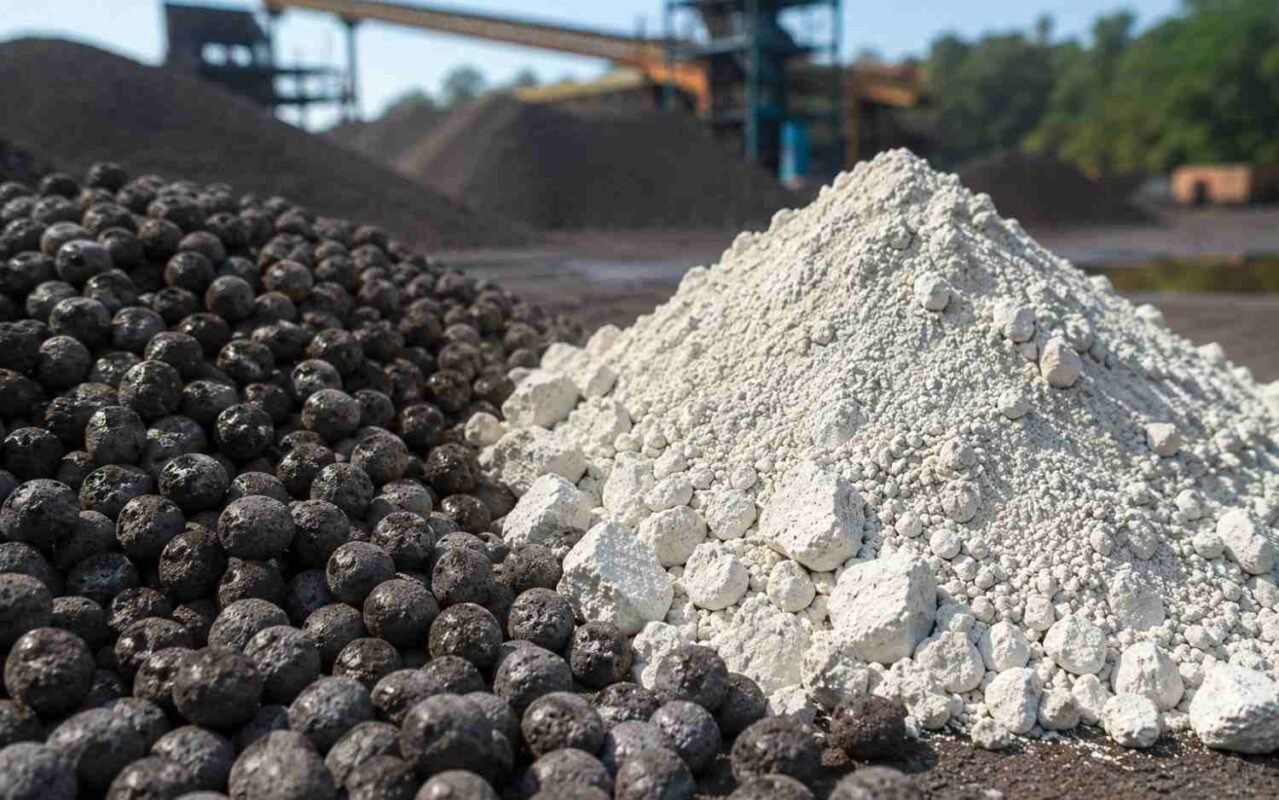
Dolomite is a mineral and sedimentary rock containing both calcium carbonate and magnesium carbonate with the chemical formula CaMg(CO₃)₂. Because of its magnesium content, dolomite behaves differently from limestone during industrial processing.
Dolomitic minerals are preferred in applications where magnesium improves thermal resistance, durability, or soil conditioning performance.
Key Properties of Dolomite
| Property | Limestone | Dolomite |
| Main Composition | Calcium carbonate | Calcium magnesium carbonate |
| Magnesium Content | Low | High |
| Acid Reactivity | Higher | Moderate |
| Heat Resistance | Moderate | Higher |
| Typical Colour | White to grey | Grey, pink, or white |
| Industrial Usage | Cement, steel, chemicals | Refractories, agriculture, glass |
This distinction makes dolomite suitable for refractory linings, fertilisers, glass manufacturing, and specialised metallurgical operations.
Limestone vs Dolomite: Core Industrial Differences
The primary difference between limestone and dolomite lies in magnesium concentration. Limestone delivers high calcium content, while dolomite provides both calcium and magnesium benefits.
From an industrial perspective, limestone is generally preferred where fast chemical reaction and purity are critical. Dolomite, however, performs better in high-temperature environments and magnesium-sensitive applications.
Chemical Composition and Process Performance
In steelmaking and mineral processing, chemical composition directly influences furnace efficiency and slag formation. High-calcium limestone supports impurity removal during steel refining, whereas dolomite contributes improved refractory stability.
Additionally, chemical grade limestone is often chosen for applications requiring precise pH control, including water treatment and chemical manufacturing.
Physical Strength and Durability
Dolomite is usually denser and harder than limestone. This makes it advantageous for applications exposed to heat stress or mechanical wear.
However, limestone remains more economical and easier to process in industries requiring large-scale mineral consumption.
Industrial Applications of Limestone and Dolomite
Different industries select minerals based on operational needs, thermal behaviour, purity, and cost efficiency.
Limestone Uses in Industry
Limestone remains one of the most versatile industrial minerals in India because of its broad usability and availability.
- Cement and construction raw materials
- Steel industry minerals and flux applications
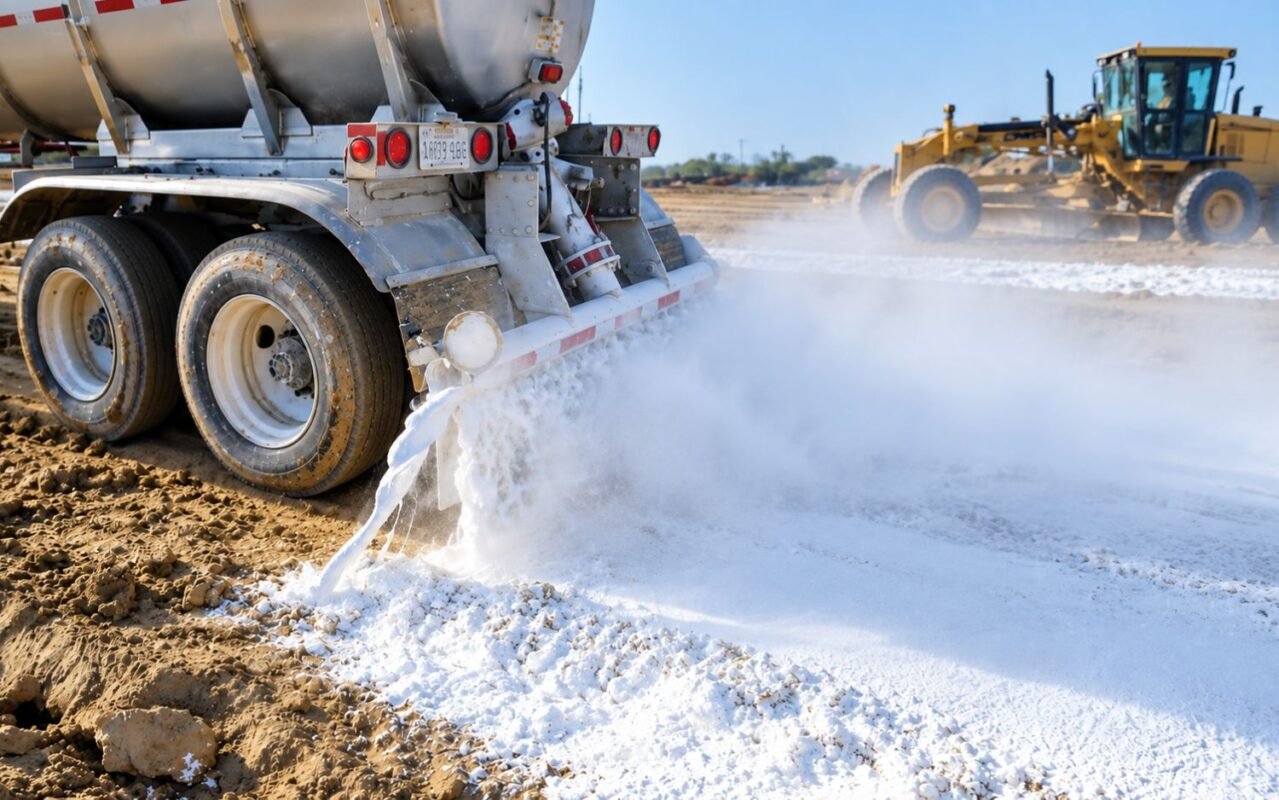
- Water treatment minerals for pH correction
- Chemical manufacturing and fillers in paints and plastics
In cement manufacturing, limestone acts as the primary clinker raw material. In steel plants, it removes silica and other impurities during smelting.
Dolomite Applications Across Industries
Dolomite applications are growing steadily due to increasing demand for magnesium-rich minerals.
- Refractory linings in furnaces
- Glass manufacturing and ceramics
- Agriculture soil conditioning
- Metallurgical and foundry applications
Dolomite powder suppliers also serve the paints, ceramics, and fertiliser sectors where magnesium improves product characteristics.
Which Mineral Is Better for Specific Industries?
The answer depends entirely on industrial requirements, operating temperatures, and chemical specifications.
Steel and Metallurgical Industry
Limestone is widely used as a flux material in steel production because of its calcium content and impurity-removal capability. Dolomite, however, is preferred for refractory applications due to superior heat resistance.
Agriculture and Soil Treatment
Dolomitic limestone is commonly used when soil requires both calcium and magnesium supplementation. Standard limestone is more suitable for correcting acidic soil where magnesium levels are already sufficient.
Water Treatment and Chemicals
Chemical and water treatment industries often prefer high purity limestone because of its consistent reactivity and controlled mineral composition.
Construction and Infrastructure
Limestone dominates the cement and infrastructure sector because of cost effectiveness, large-scale availability, and compatibility with construction manufacturing processes.
Indian Industrial Demand and Manufacturing Perspective
India’s industrial expansion continues to drive demand for quality mineral resources. Sectors such as infrastructure, steel manufacturing, chemicals, and agriculture rely heavily on reliable mineral supply chains.
Industrial buyers increasingly evaluate suppliers based on:
- Mineral purity and consistency
- Particle size uniformity
- Compliance with industrial standards
- Long-term supply capability
This shift has increased the importance of established industrial limestone suppliers capable of delivering quality-controlled products for large manufacturing operations.
How Indian Manufacturers Evaluate Mineral Quality
Mineral selection is now more data-driven than ever. Procurement managers and plant engineers assess multiple technical parameters before finalising sourcing decisions.
Key Quality Factors
| Evaluation Criteria | Importance in Industrial Use |
| Calcium carbonate percentage | Impacts chemical efficiency |
| Magnesium content | Determines suitability for specialised applications |
| Moisture levels | Affects storage and processing |
| Particle size consistency | Improves production uniformity |
| Impurity levels | Critical for high-performance manufacturing |
Companies such as Synergy Chemical Industries understand that industrial clients require reliable material consistency to avoid operational disruption and quality variation.
Why Quality Sourcing Matters in Industrial Minerals
Choosing the right mineral supplier affects far more than raw material costs. Poor-quality limestone or dolomite can reduce furnace efficiency, increase waste generation, and affect finished product quality.
Reliable sourcing ensures:
- Consistent chemical composition
- Stable production performance
- Lower maintenance and downtime
- Better compliance with industrial specifications
For industries operating continuous manufacturing systems, even small variations in mineral quality can create significant production inefficiencies.
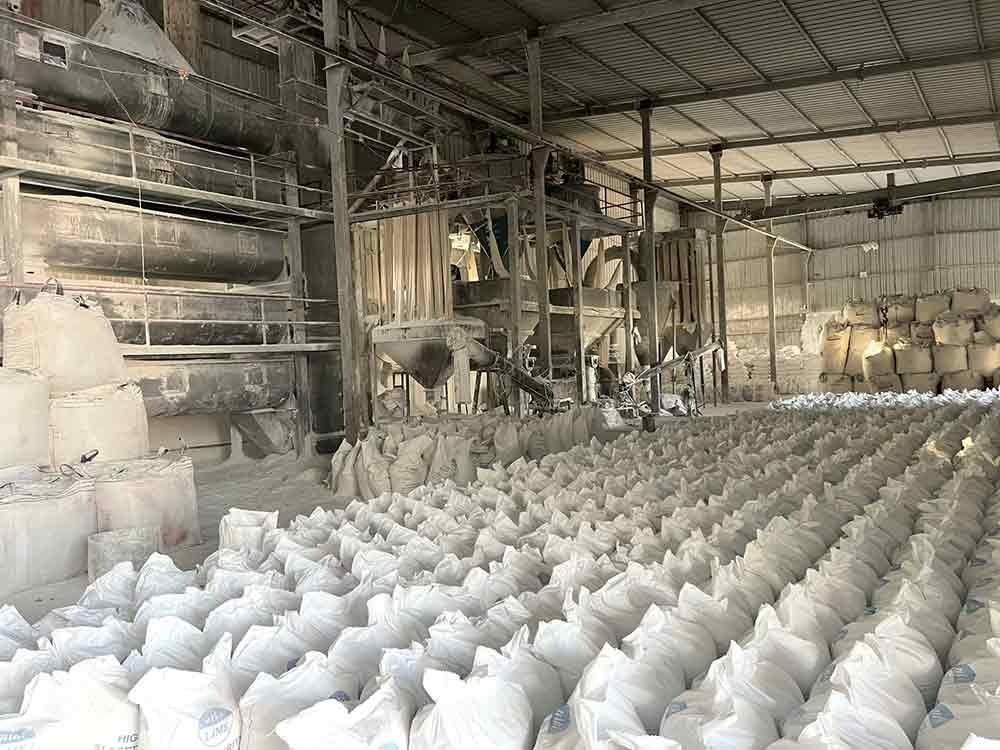
This is why experienced limestone manufacturers in India focus heavily on mineral testing, controlled processing, and supply consistency.
Choosing the Right Mineral for Industrial Efficiency
Both limestone and dolomite are essential industrial minerals, but their applications differ based on chemical composition, thermal properties, and process requirements.
Limestone is generally preferred for cement, steel fluxing, water treatment, and chemical processing due to its high calcium carbonate content and cost efficiency. Dolomite, on the other hand, delivers advantages in refractory, agriculture, and magnesium-sensitive applications.
For industrial buyers, the right choice depends on operational goals, purity requirements, and production conditions. Working with an experienced supplier such as Synergy Chemical Industries helps ensure consistent mineral quality, dependable supply, and application-specific performance across industries.
Businesses looking for a trusted limestone manufacturer in India, reliable industrial minerals, or high-quality chemical grade limestone should prioritise suppliers with proven processing standards and industry expertise.
FAQs
Q1. What is the main difference between limestone and dolomite?
Answer: Limestone mainly contains calcium carbonate, while dolomite contains both calcium carbonate and magnesium carbonate. This difference affects industrial performance and application suitability.
Q2. Which is better for steel manufacturing: limestone or dolomite?
Answer: Limestone is commonly used as a flux material in steelmaking, while dolomite is preferred for refractory linings because of its heat resistance.
Q3. What are the major industrial applications of limestone?
Answer: Limestone is widely used in cement manufacturing, steel production, water treatment, chemicals, paints, paper, and construction industries.
Q4. Why is dolomite used in agriculture?
Answer: Dolomite improves soil quality by supplying calcium and magnesium while helping balance soil acidity.
Q5. How do industries evaluate limestone quality?
Answer: Industries assess calcium carbonate content, impurity levels, particle size, moisture content, and consistency before procurement.
Q6. Is high purity limestone important for industrial processes?
Answer: Yes. High purity limestone improves process efficiency, reduces contamination, and ensures better product consistency in chemical and metallurgical applications.