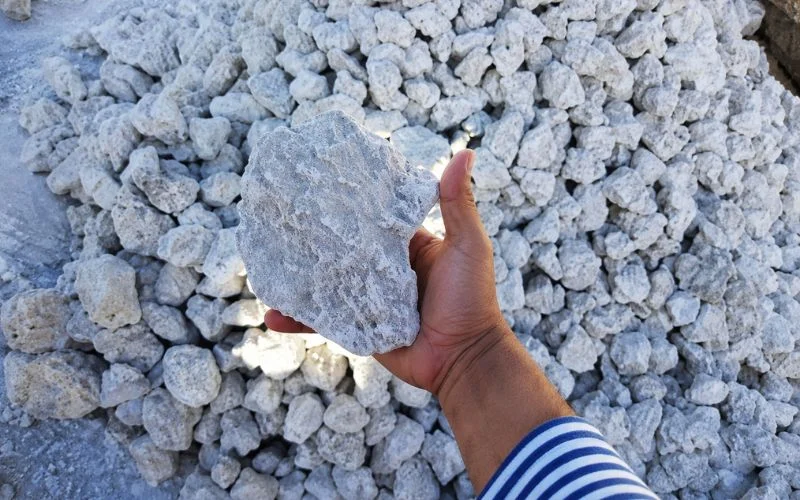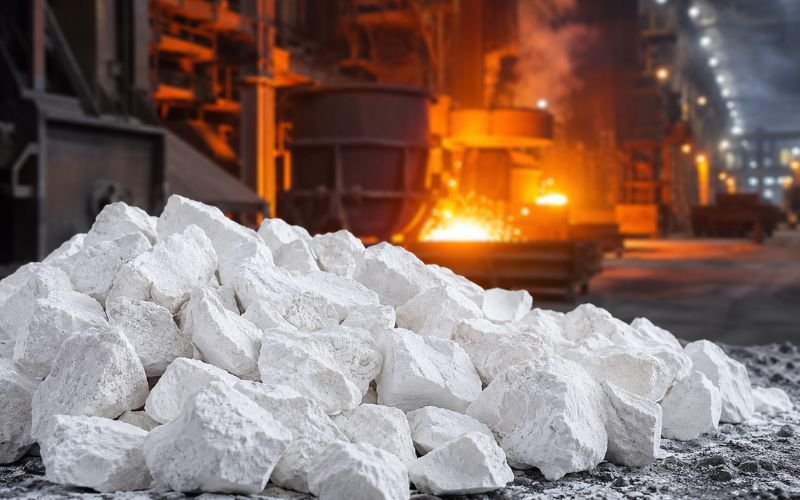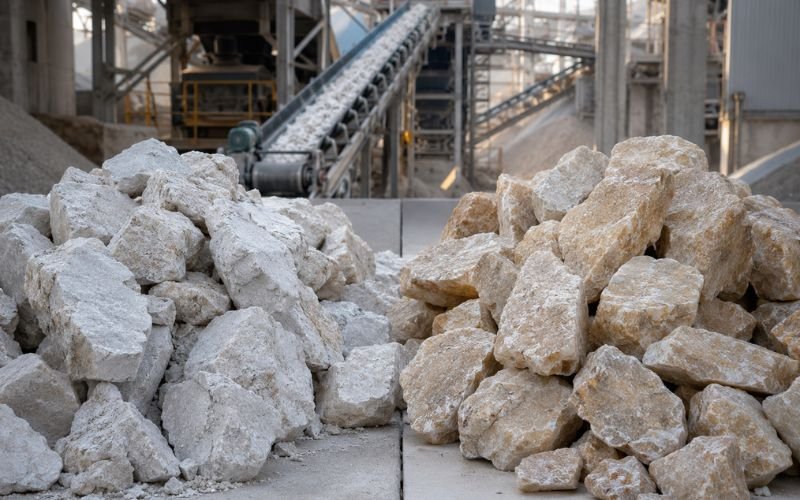
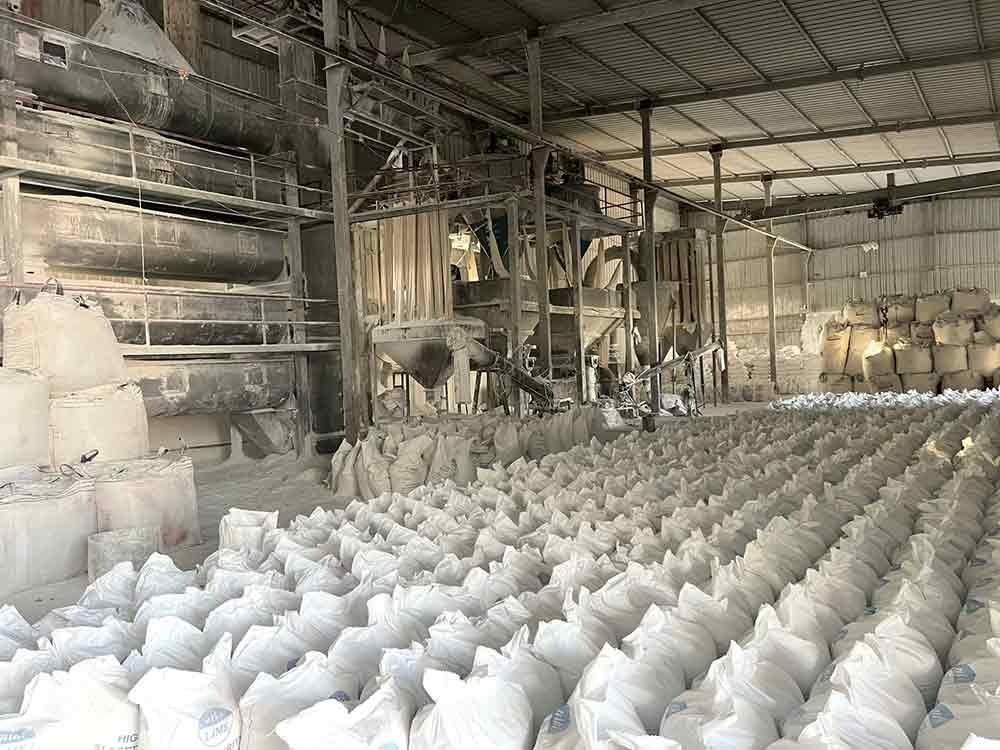

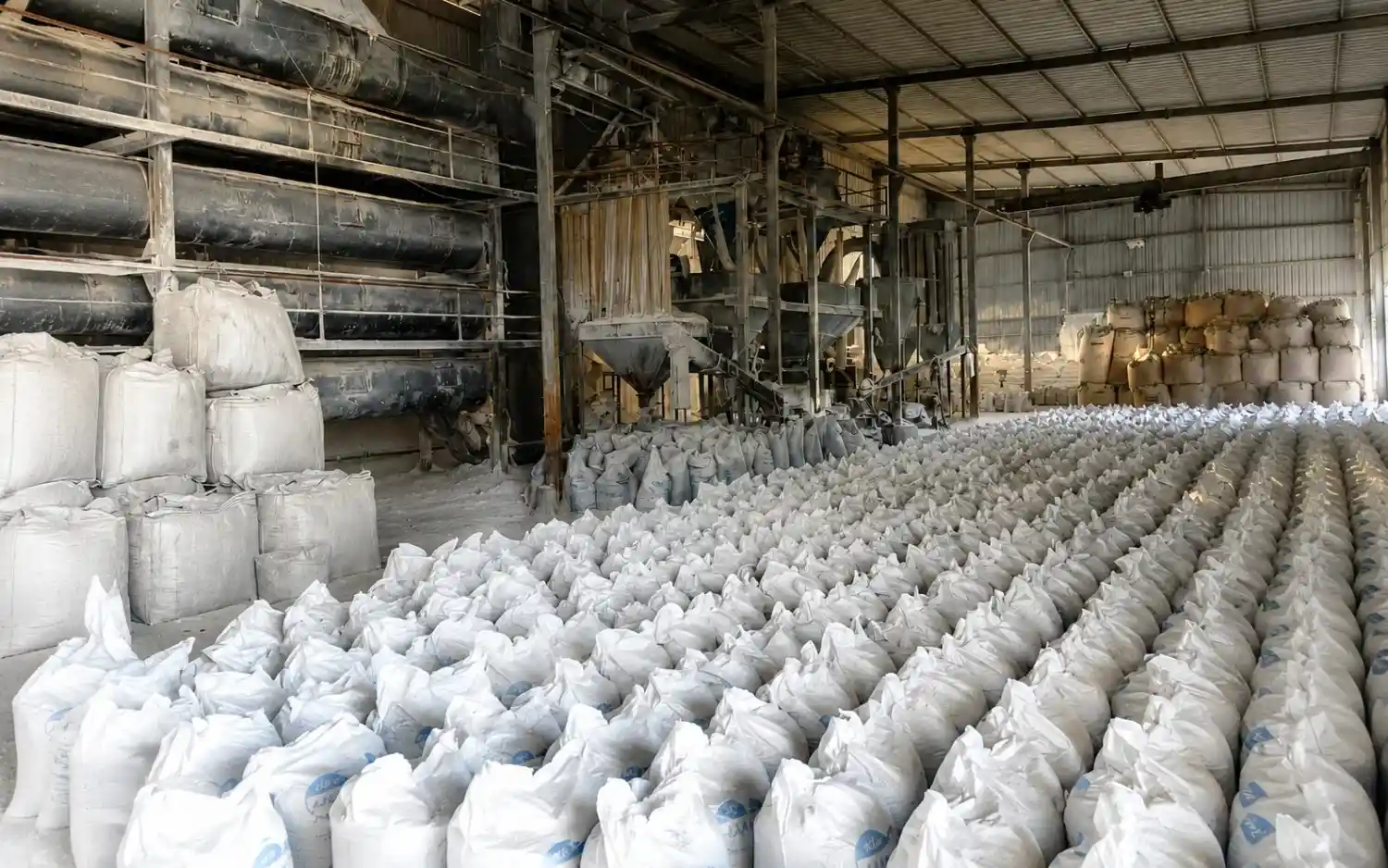
Steelmaking demands precision at every stage, and the quality of Quicklime is no exception. From slag formation to impurity removal, the performance of quicklime directly influences steel quality, furnace efficiency, and production costs. Selecting the right supplier is not simply about comparing prices. It is about choosing a product that consistently meets the chemical and physical standards required for modern steel manufacturing.
As experienced quicklime manufacturers in Rajasthan, Synergy Chemical Industries understands that steel plants require consistent quality, reliable supply and technical performance. Knowing what defines high-quality quicklime can help procurement teams make informed purchasing decisions and avoid costly production issues.
1. Available Calcium Oxide
Available calcium oxide, commonly known as available CaO, is the most important quality indicator for steel grade quicklime. It represents the active portion of lime that reacts during steel refining.
Higher available CaO improves slag formation, enhances impurity removal, and supports efficient steelmaking. Always ask suppliers for recent laboratory reports that verify this value.
2. Reactivity
Reactivity measures how quickly Quicklime responds during the refining process. Highly reactive quicklime forms slag faster, helping reduce refining time while improving furnace productivity.
Consistent reactivity also supports stable operations and minimises process variations between production batches.
3. Total Calcium Oxide
Total calcium oxide reflects the overall purity of the material. Although a high total CaO value is desirable, buyers should also confirm the available CaO because only the active portion contributes to the refining process.
Reviewing both values provides a more accurate assessment of product quality.
4. Silica Content
Silica is one of the most significant impurities in quicklime used for steel plants. High silica levels increase slag volume, consume additional lime and reduce refining efficiency.
Selecting quicklime with low silica content helps optimise furnace performance and lower material consumption.
5. Magnesium Oxide
Magnesium oxide contributes to slag chemistry when maintained within the appropriate range. The ideal percentage depends on the steelmaking process, making it important to match the product specification with operational requirements.
A trusted supplier should provide a complete chemical analysis with every batch.
6. Sulphur and Phosphorus Levels
Steel manufacturers aim to produce clean steel with excellent mechanical properties. Quicklime containing excessive sulphur or phosphorus can interfere with refining and affect the final product.
Choosing material with low impurity levels supports better steel quality and improved process control.
7. Particle Size Distribution
Particle size influences how effectively Quicklime reacts inside the furnace. Uniform sizing promotes consistent reactions, while excessive fines create dust and oversized lumps reduce reaction efficiency.
A controlled particle size distribution improves handling, storage, and overall metallurgical performance.
8. Moisture Content
Quicklime naturally absorbs moisture when exposed to air. Excess moisture reduces product effectiveness and creates handling challenges during transportation and storage.
Proper packaging, storage practices, and timely delivery help preserve product quality until it reaches the steel plant.
9. Loss on Ignition
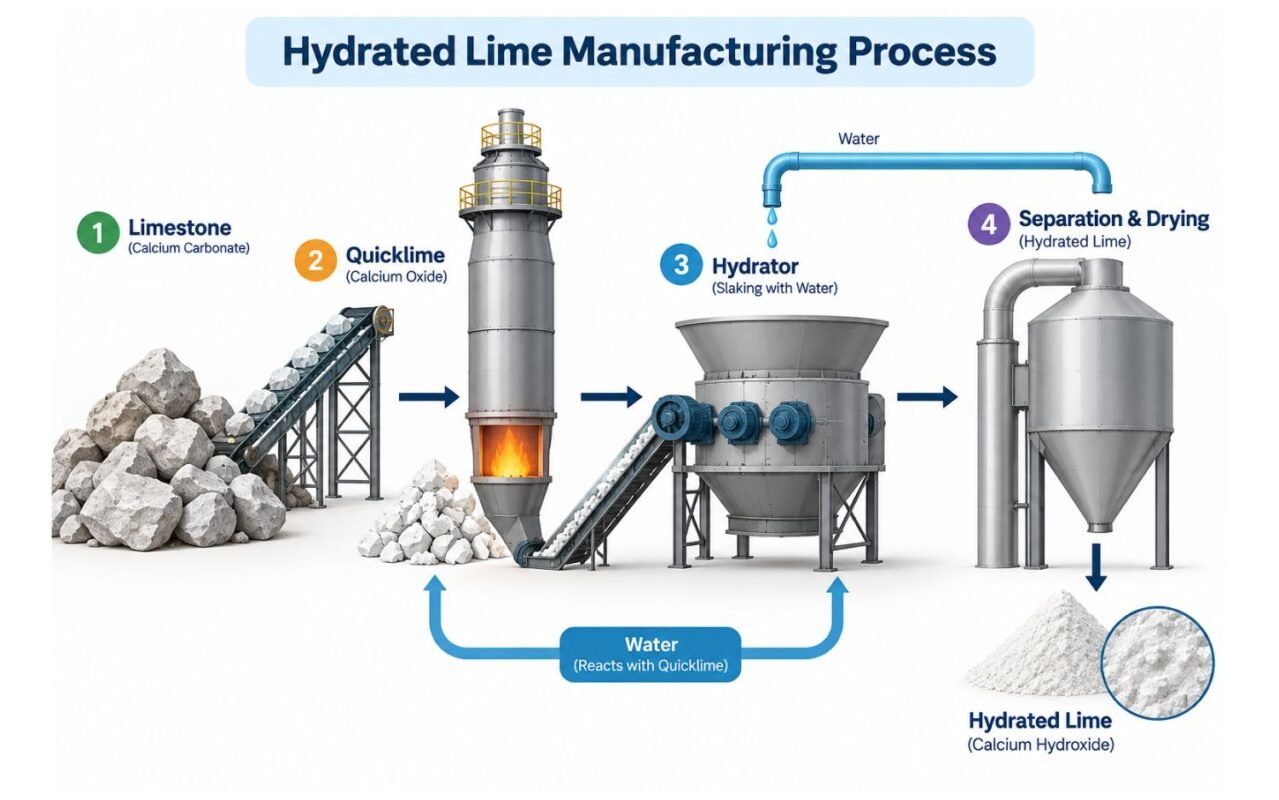
Loss on Ignition, or LOI, measures the remaining carbon dioxide and moisture after calcination. Lower LOI values generally indicate a more efficient manufacturing process and a higher quality product.
This parameter provides valuable insight into how well the limestone has been calcined.
10. Consistency in Manufacturing
Even the best specification has limited value if product quality changes from one delivery to the next. Reliable steel plants look for manufacturers that maintain strict quality control, modern production facilities, and routine laboratory testing.
As trusted quicklime manufacturers in Rajasthan, Synergy Chemical Industries focuses on consistent manufacturing practices, quality assurance, and dependable supply for industrial applications. Consistency helps reduce production risks and builds confidence across long-term supply partnerships.
Quick Reference Guide for Buyers
| Quality Parameter | Why It Matters | What Buyers Should Verify |
| Available Calcium Oxide | Improves refining efficiency | Laboratory test report |
| Reactivity | Faster slag formation | Consistent reactivity values |
| Total Calcium Oxide | Indicates purity | High total CaO content |
| Silica Content | Reduces excess slag | Low silica percentage |
| Magnesium Oxide | Supports slag chemistry | Suitable MgO range |
| Sulphur and Phosphorus | Influences steel quality | Low impurity levels |
| Particle Size | Improves furnace performance | Uniform sizing |
| Moisture Content | Preserves product quality | Low moisture levels |
| Loss on Ignition | Indicates calcination quality | Low LOI value |
| Manufacturing Consistency | Ensures reliable performance | Quality control and batch consistency |
Choosing a Supplier That Supports Long-Term Performance
The right Quicklime supplier offers more than a competitive price. Consistent product quality, technical support, laboratory testing and dependable deliveries all contribute to efficient steel production. Before selecting a supplier, request chemical analysis reports, quality certifications, and product specifications to confirm that the material meets your operational requirements.
For businesses looking for dependable Quicklime manufacturers in Rajasthan, Synergy Chemical Industries supplies quality Quicklime for industrial applications with a strong focus on manufacturing consistency, quality assurance, and customer support.
Frequently Asked Questions
Q1. What is considered high quality Quicklime for steel plants?
Answer: High-quality quicklime contains high available calcium oxide, low silica, low sulphur, low phosphorus, controlled moisture, consistent particle size, and strong reactivity. These characteristics improve slag formation and support efficient steel refining.
Q2. Why is available calcium oxide more important than total calcium oxide?
Answer: Available calcium oxide represents the active lime that participates in refining reactions. A high total CaO value alone does not guarantee better performance if the available CaO is low.
Q3. How does Quicklime improve steel quality?
Answer: Quicklime combines with impurities such as silica, sulphur and phosphorus to form slag, allowing cleaner steel production and improving the overall refining process.
Q4. What should buyers check before purchasing Quicklime?
Answer: Buyers should review the chemical composition, available CaO, reactivity, silica content, particle size, moisture level, loss on ignition, and the supplier’s quality control documentation.
Q5. Why does manufacturing consistency matter in Quicklime?
Answer: Consistent manufacturing ensures every batch delivers predictable performance, helping steel plants maintain stable production, reduce downtime, and minimise process variations.
Q6. Why choose experienced Quicklime manufacturers in Rajasthan?
Answer: Experienced manufacturers such as Synergy Chemical Industries combine quality raw materials, controlled calcination, laboratory testing, and reliable supply to deliver quicklime that meets the demanding requirements of steel manufacturing.