
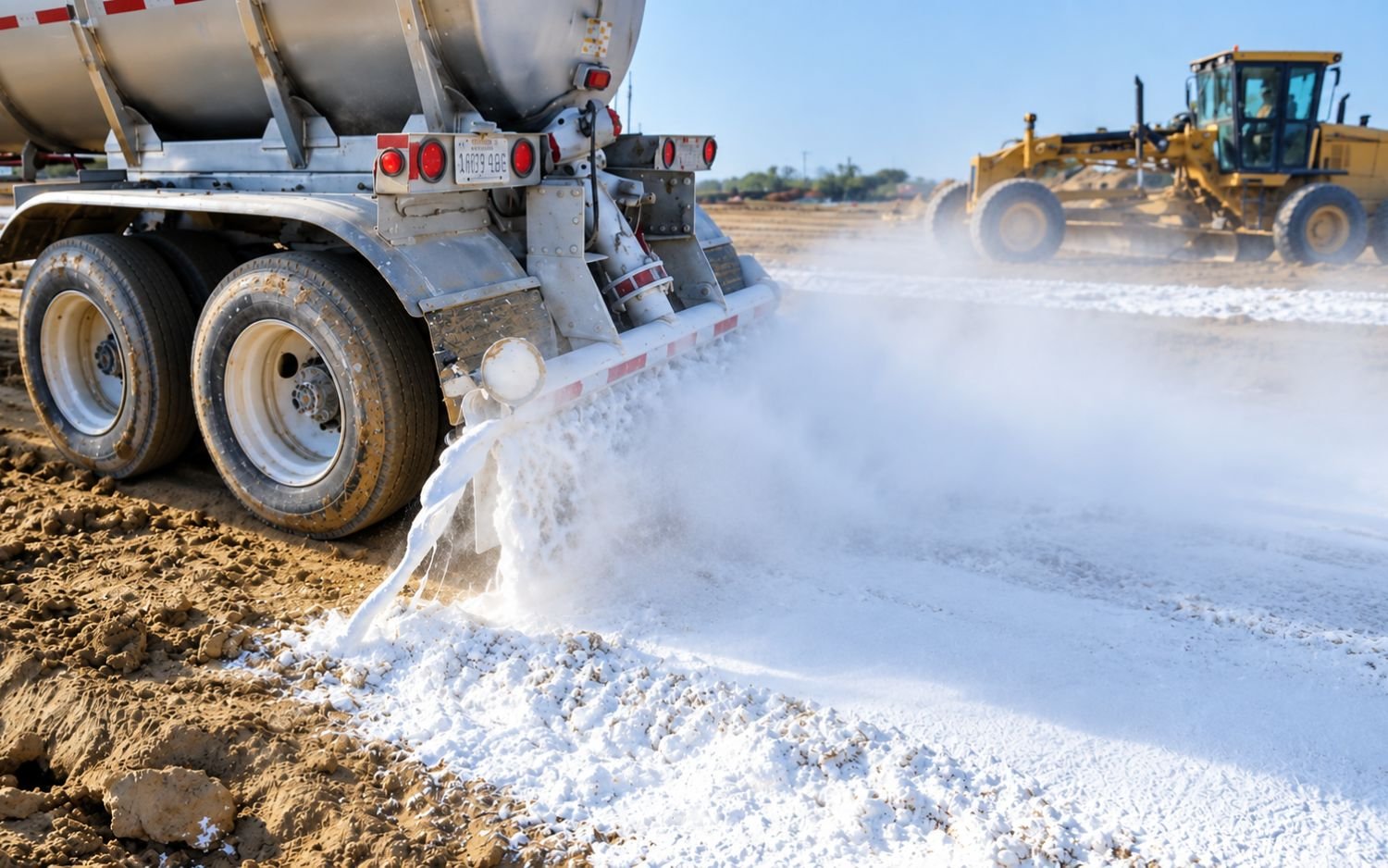
Asphalt pavements face constant exposure to traffic, moisture, temperature changes and environmental conditions. Over time, water can weaken the bond between bitumen and aggregate, increasing the risk of stripping and other forms of moisture-related damage.
Hydrated lime is widely considered in asphalt mixtures because it can improve the interaction between bitumen and aggregate and help the mixture resist moisture-related deterioration.
But what exactly does hydrated lime do in asphalt, and how does it affect pavement performance?
This guide explains the benefits, applications and performance considerations of hydrated lime in asphalt, along with the key factors asphalt producers and road contractors should consider when selecting a supplier.
What Is Hydrated Lime?
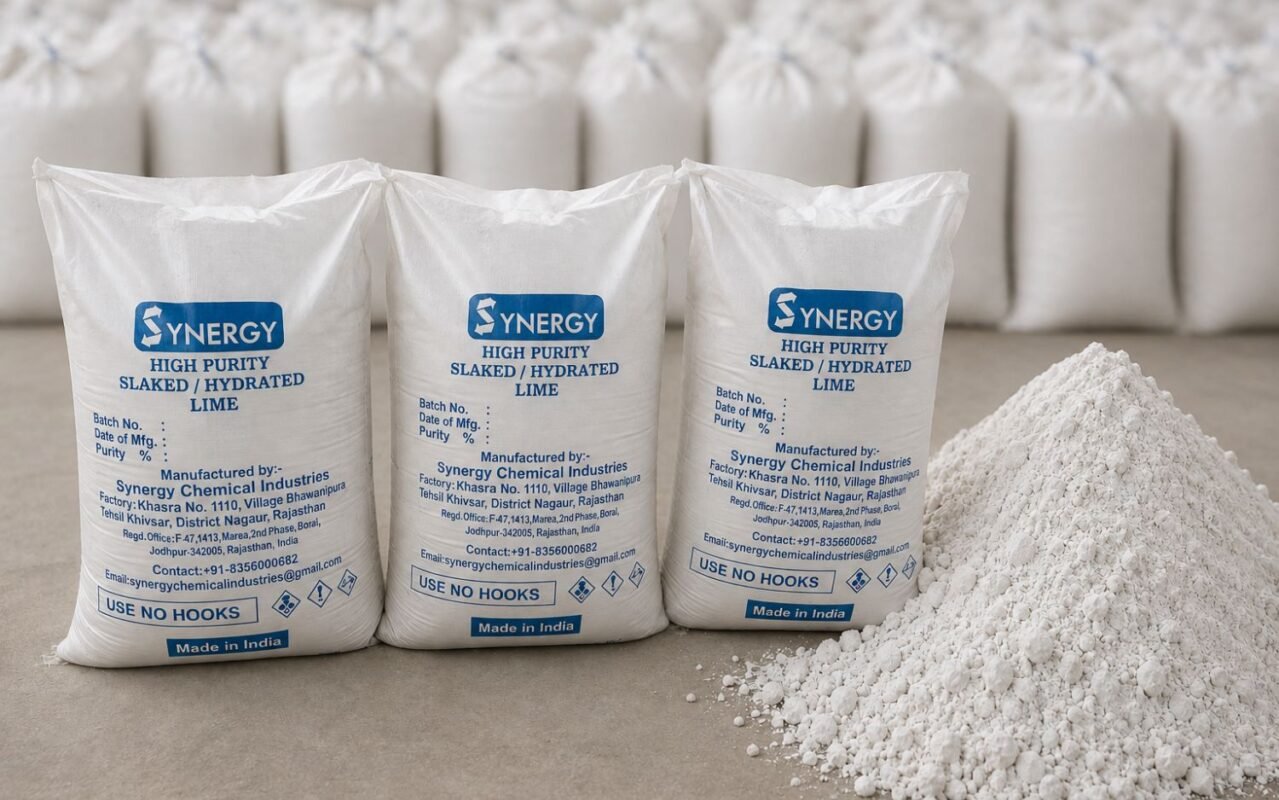
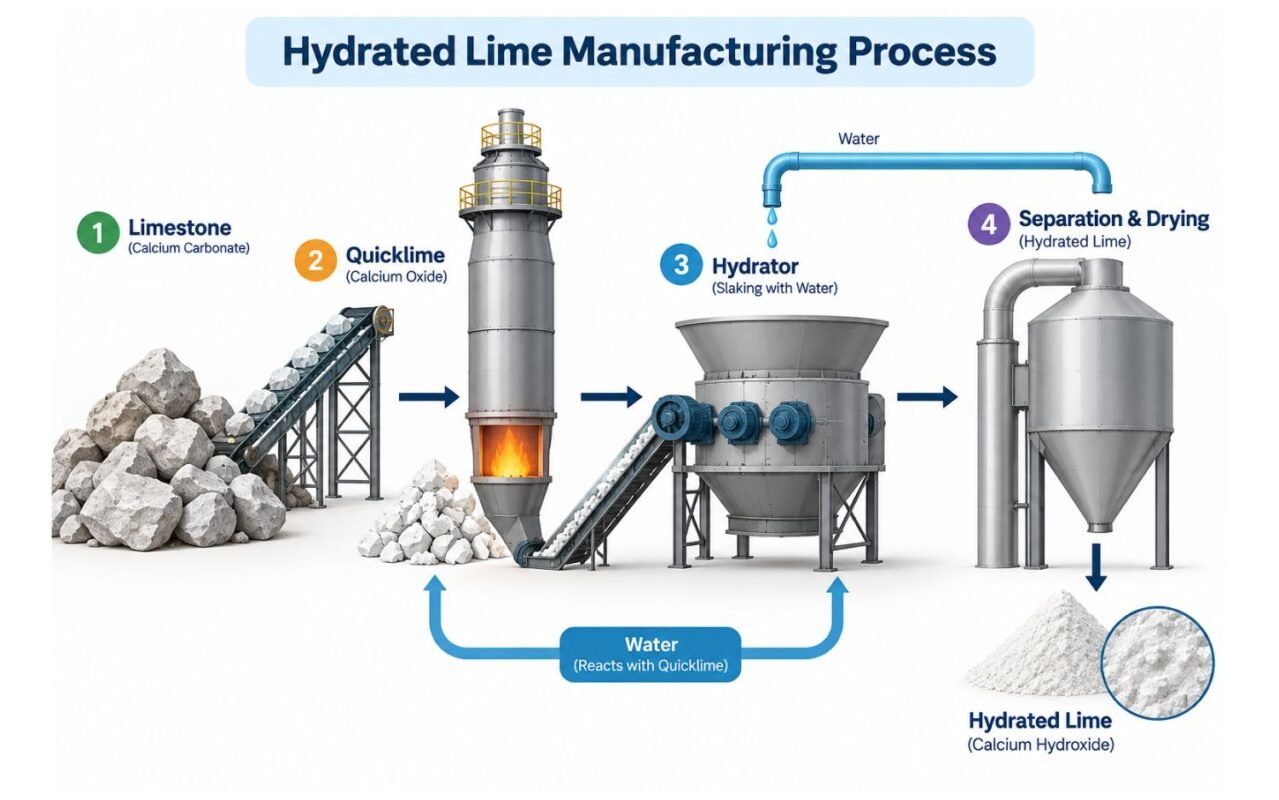
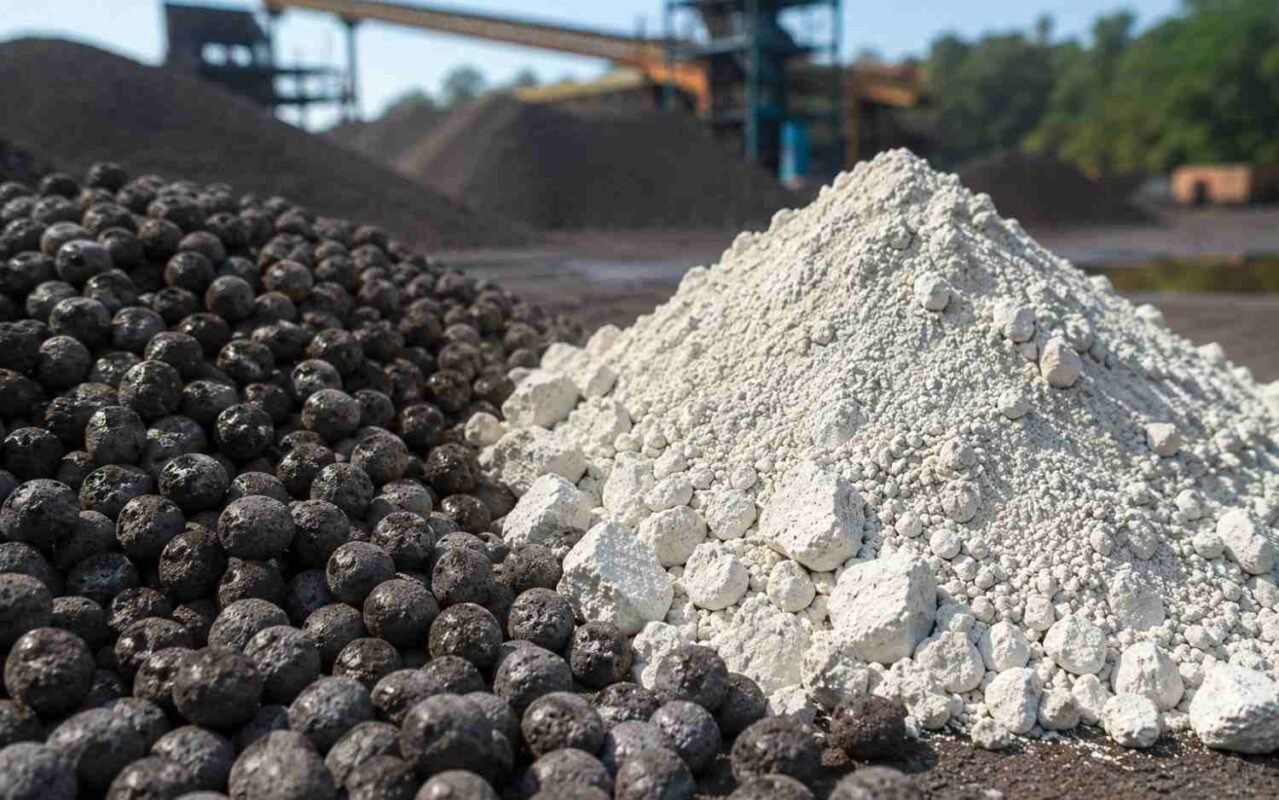
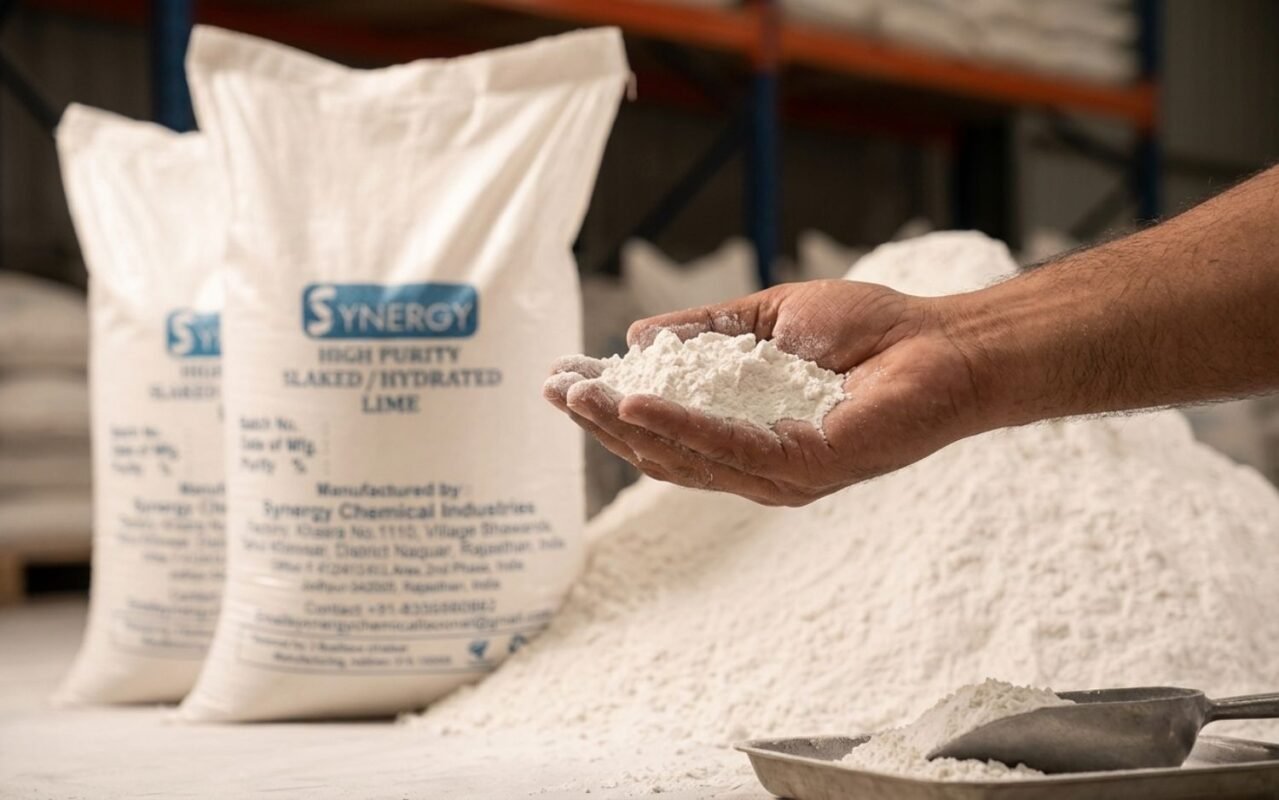
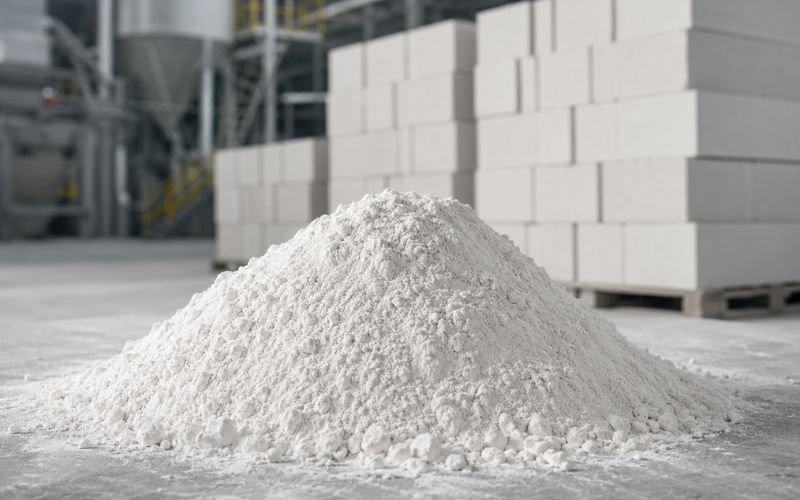
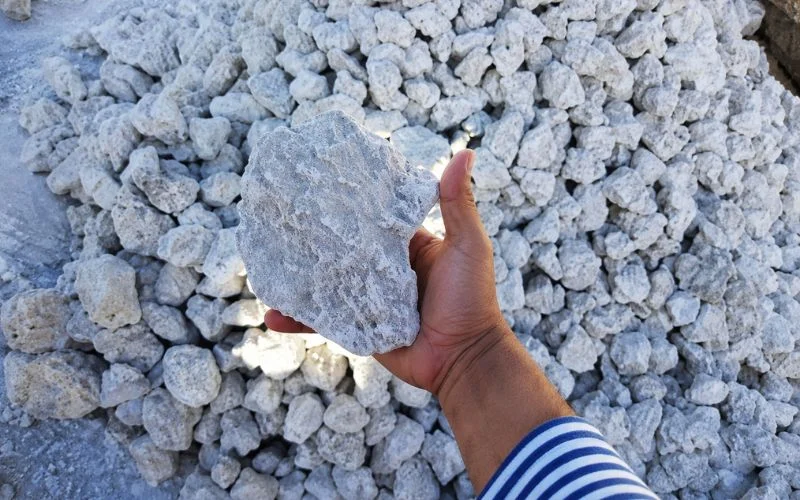
Hydrated lime is a fine powder consisting primarily of calcium hydroxide (Ca(OH)₂). Manufacturers produce it by adding water to quicklime (calcium oxide).
The chemical reaction is:
CaO + H₂O → Ca(OH)₂ + heat
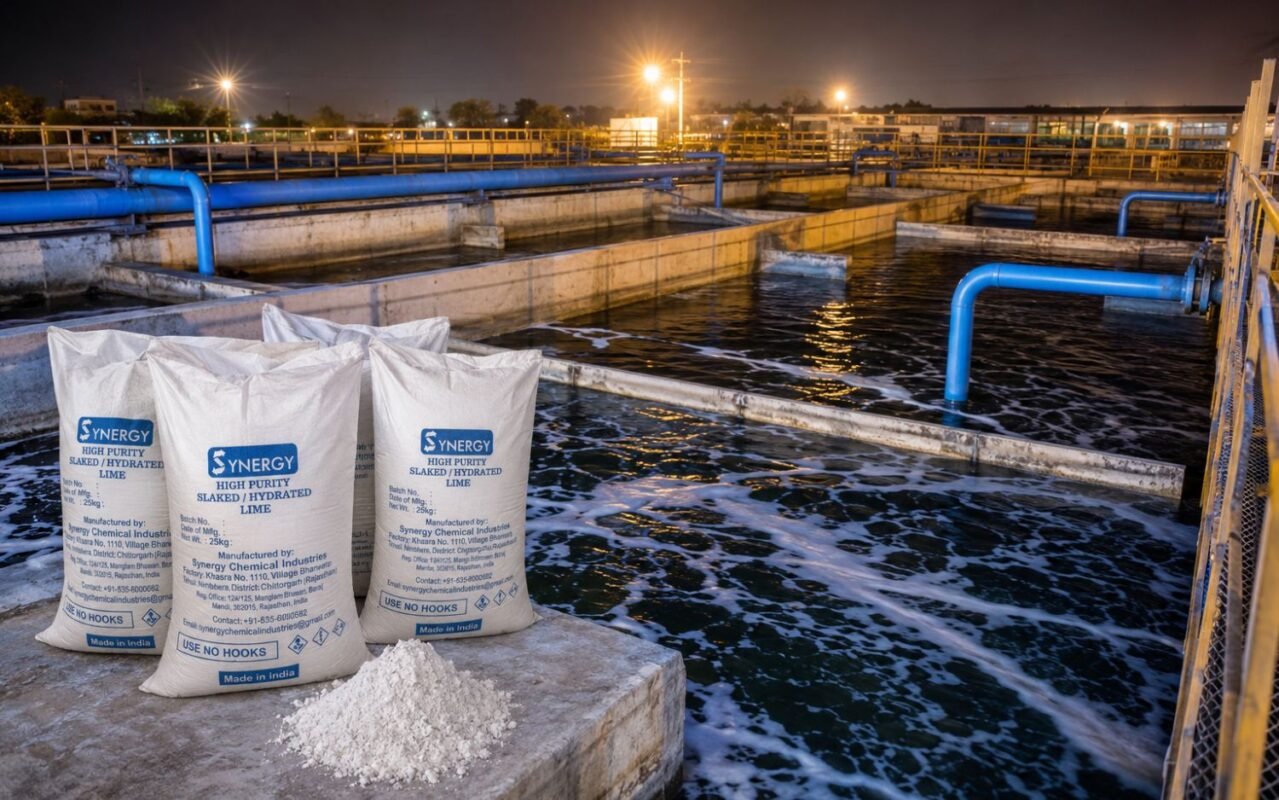
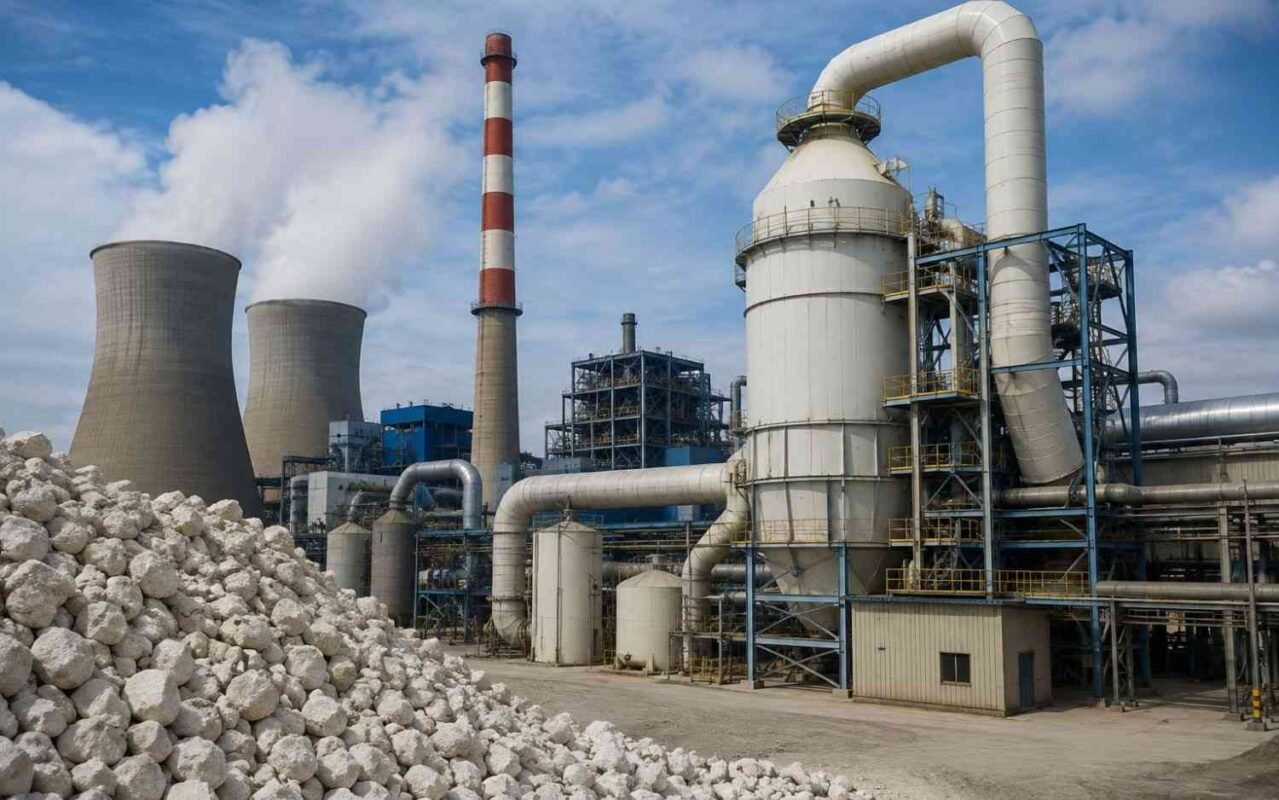
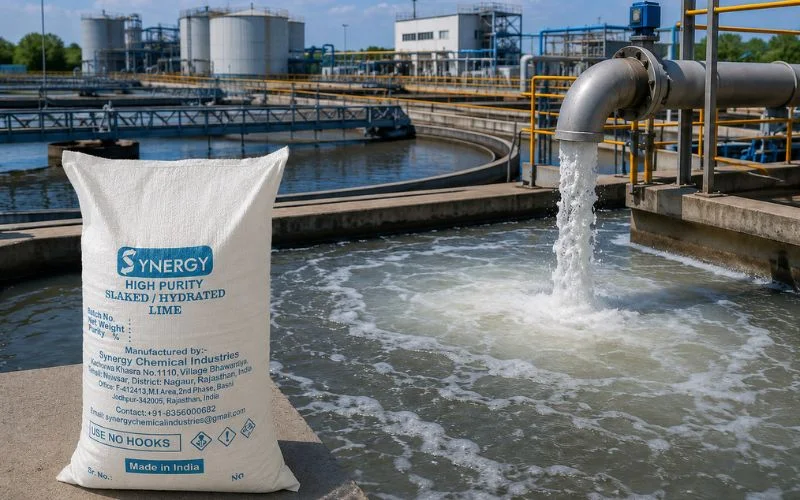
Hydrated lime has applications across construction, water treatment, chemical processing and other industries. In asphalt, it can serve both as a mineral component and a material that influences the aggregate bitumen interface.
Why Is Hydrated Lime Used in Asphalt?
One of the main reasons engineers use hydrated lime in asphalt is to address moisture susceptibility.
Water can reach the interface between aggregate and bitumen. If the bond weakens, the binder can separate from the aggregate, a process commonly known as stripping.
Hydrated lime can influence the aggregate surface and improve the interaction between the aggregate and bitumen. This can help the asphalt mixture maintain adhesion when exposed to moisture.
Its main roles include:
- Improving aggregate–bitumen adhesion
- Increasing resistance to moisture-related damage
- Improving resistance to stripping
- Contributing to the mineral filler fraction
- Supporting asphalt mixture durability under suitable conditions
The actual benefit depends on the aggregate, bitumen, hydrated lime characteristics, dosage and overall mix design.
Benefits of Hydrated Lime in Asphalt

1. Improved Bitumen–Aggregate Adhesion
Good adhesion between bitumen and aggregate is essential for asphalt performance.
Hydrated lime can modify the aggregate–binder interface and help strengthen the interaction between the two materials. This can be particularly useful when the selected aggregate has a higher susceptibility to moisture-related adhesion problems.
2. Better Moisture Resistance
Moisture can gradually affect asphalt mixtures by weakening the bond between bitumen and aggregate.
Hydrated lime can help reduce this susceptibility by improving adhesion at the aggregate–binder interface. This makes it a useful consideration for asphalt mixtures exposed to significant rainfall or moisture.
3. Increased Stripping Resistance
Stripping occurs when water reduces the adhesion between bitumen and aggregate.
Hydrated lime can improve the mixture’s resistance to moisture-induced stripping. However, it should not be viewed as a standalone solution. Drainage, compaction, aggregate properties, binder selection and mix design also influence stripping.
4. Contribution to Asphalt Mastic
Fine mineral materials form part of the asphalt mastic the combination of mineral filler and asphalt binder.
Hydrated lime can contribute to this fine mineral fraction and influence the properties of the mastic.
How Does Hydrated Lime Improve Asphalt Performance?
The performance of an asphalt mixture depends on several interacting factors.
| Performance factor | Potential role of hydrated lime |
| Moisture resistance | Helps improve resistance to moisture-related adhesion loss |
| Stripping resistance | Can strengthen aggregate–bitumen interaction |
| Adhesion | Can improve bonding at the aggregate–binder interface |
| Asphalt mastic | Contributes fine mineral material |
| Durability | Can support resistance to moisture-related deterioration |
Hydrated lime does not replace good asphalt mix design. Engineers should evaluate the material alongside the aggregate, bitumen, gradation, compaction and project conditions.
Applications of Hydrated Lime in Asphalt
Hydrated lime can be considered for asphalt mixtures used in:
- Highway construction
- Bituminous road surfaces
- Asphalt paving mixtures
- Moisture-sensitive asphalt mixtures
- Road and pavement rehabilitation projects
Its use can be particularly relevant where engineers need to manage moisture-related adhesion and stripping.
The correct grade and dosage should always follow the relevant project specification and mixture-design requirements.
How Much Hydrated Lime Is Added to Asphalt?
There is no single dosage that works for every asphalt mixture.
The appropriate amount depends on:
- Aggregate mineralogy
- Bitumen characteristics
- Asphalt mix design
- Hydrated lime properties
- Moisture susceptibility
- Project specifications
- Laboratory test results
Adding more hydrated lime does not automatically produce better asphalt. Engineers should establish the appropriate dosage through mix evaluation and relevant testing.
What Should You Check When Buying Hydrated Lime for Asphalt?
For asphalt applications, buyers should look beyond price and evaluate the material’s chemical and physical characteristics.
Important parameters include:
- Ca(OH)₂ content
- CaO content
- MgO
- Moisture
- Acid insoluble content
- Iron and alumina
- Particle size/fineness
- Batch consistency
- Packaging and supply capability
A consistent product helps asphalt producers maintain better control over material handling and production.
Hydrated Lime Grades from Synergy Chemical Industries
Synergy Chemical Industries, a hydrated lime manufacturer based in Rajasthan, India, offers multiple grades with different chemical and physical specifications.
| Parameter | A | B | C | D | SP | SP+ | FP |
| Ca(OH)₂ | 90% | 85% | 80% | 70% | 92% | 94% | 96%+ |
| CaO (Min.) | 68% | 64% | 60% | 53% | 69% | 71% | 72% |
| MgO | 1.5% | 2% | 2% | 2.5% | 1% | 1% | 1% |
| Moisture (Max.) | 1% | 1.5–2% | 2% | 3% | 0.5% | 0.5% | 0.5% |
| Acid Insoluble | 1% | 2% | 5% | 7% | 1% | 0.5% | 0.5% |
| Mesh Size | 250 | 200 | 100 | 75 | 300 | 350 | 400 |
Specifications shown are based on Synergy Chemical Industries’ supplied product table. Confirm the applicable grade and testing method with the manufacturer before use in a specific asphalt mix.
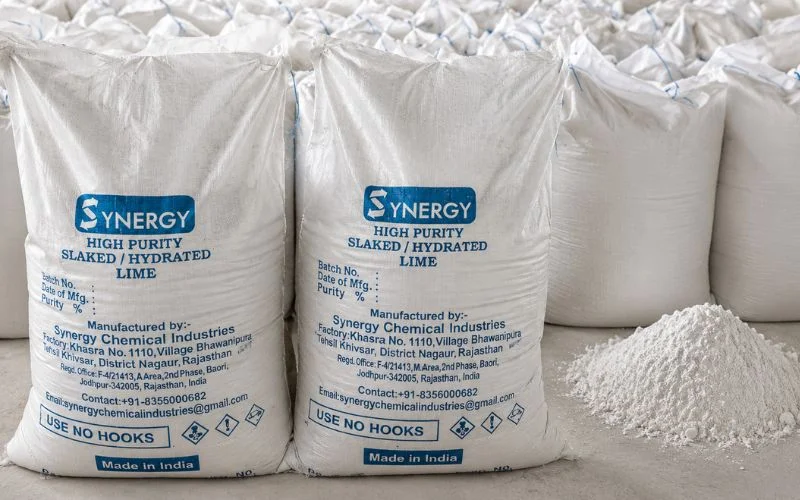
Synergy supplies hydrated lime in 40 kg PP bags, laminated bags and jumbo bags up to 1 tonne, supporting different industrial and bulk-supply requirements.
How to Choose a Hydrated Lime Supplier
A reliable supplier should provide more than a product quotation.
Before purchasing, ask about:
- Product specifications and grade options
- Batch-to-batch consistency
- Quality-control procedures
- Available documentation
- Packaging options
- Bulk supply capability
- Delivery requirements
- Technical information for your intended application
For asphalt producers, the selected hydrated lime should match the technical requirements of the asphalt mixture and applicable road-construction specification.
Choose Hydrated Lime from Synergy Chemical Industries
For asphalt and other industrial applications, selecting the right hydrated lime requires attention to chemical composition, particle characteristics, consistency and supply reliability.
Synergy Chemical Industries manufactures and supplies hydrated lime from Rajasthan, India, with multiple grades and packaging options to meet different industrial requirements.
To discuss your hydrated lime requirements, contact Synergy Chemical Industries and confirm the grade suitable for your application.
FAQs
What does hydrated lime do in asphalt?
Hydrated lime can improve the interaction between bitumen and aggregate and increase resistance to moisture-related damage. It can also contribute to the mineral filler portion of the asphalt mixture.
Why is lime added to asphalt?
Engineers may add hydrated lime to improve aggregate–bitumen adhesion, moisture resistance and stripping resistance in suitable asphalt mixtures.
Does hydrated lime prevent stripping?
It can improve an asphalt mixture’s resistance to moisture-induced stripping, but it cannot eliminate stripping caused by every combination of moisture, aggregate, binder, drainage and construction conditions.
How much hydrated lime should be added to asphalt?
There is no universal dosage. The appropriate amount depends on the aggregate, binder, mix design, product characteristics and applicable project specification.
Is hydrated lime a filler in asphalt?
Yes. Hydrated lime can contribute to the mineral filler fraction while also influencing the aggregate–bitumen interface.
Is hydrated lime the same as quicklime?
No. Quicklime is primarily calcium oxide (CaO), while hydrated lime is primarily calcium hydroxide (Ca(OH)₂).